

How to Use Cold Plunges to Manage Technology Overload
Key Takeaways
· Technology overload leads to symptoms such as physical ailments, depression, and anxiety
· Cold plunges are beneficial tools for mitigating stress, enhancing mental clarity, and improving mood
· Incorporating cold plunges into a wellness routine, alongside mindfulness and proper digital detox strategies, can alleviate the effects of technology overload
Feeling overwhelmed by constant notifications, emails, and screen time? Technology overload can drain your mental and physical energy. Using cold plunges to manage technology overload can be a refreshing solution. In this article, we’ll explore how cold exposure can reduce stress, improve mood, and enhance mental clarity, making it easier to handle the pressures of our tech-driven lives.
What is Technology Overload?

Technology overload occurs when constant exposure to digital devices like phones, computers, and social media overwhelms the mind and body. It leads to stress, fatigue, reduced focus, and emotional exhaustion from excessive screen time and information intake. This digital fatigue can cause anxiety, sleep problems, and burnout, making it essential to set boundaries and practice mindful tech use.
Identifying and addressing early symptoms of technology overload is key to effective management. Understanding the root causes and impacts of this condition, along with emerging research and cellular mechanisms, allows us to take proactive steps to mitigate its effects.
What are the Symptoms of Technology Overload?
Excessive screen time is associated with a range of physical issues, including:
· Eye strain and headaches
· Fatigue and poor sleep quality
· Anxiety and irritability
· Difficulty focusing or remembering things
· Musculoskeletal pain (neck, back, or shoulders)
Beyond physical symptoms behavioral signs such as withdrawal from social interactions and reduced performance can indicate technology overload. Recognizing these symptoms early and adopting stress-reduction strategies like cold plunge tubs is essential for effective management and preventing further complications.
What is the Science Behind Cold Plunges and Stress Reduction?

Cold immersion is recognized as a form of thermal stress, similar to exercise, which triggers a beneficial stress response in the body. Cold exposure triggers the body’s stress response. This triggers hormonal changes, including the release of cortisol. The initial gasp and cold shock response we feel when submerged in icy cold water are part of the body’s natural reaction to cold exposure.
Cold plunging can temporarily lead to an increase in stress hormones, such as cortisol and adrenaline, which help the body adapt to sudden temperature changes. Some of the cold plunge therapy health benefits include improved mental resilience, potentially aiding stress management.
The physiological mechanisms behind cold plunges include improved circulation and oxygenation throughout the body. This enhanced blood flow can lead to reduced stress and better overall health.
Cold exposure helps restore balance in the nervous system, enhancing resilience and cognitive function. The body’s response to the thermal stress from cold water immersion can significantly aid the management of chronic stress and improve mental health.
What are the Benefits of Cold Plunges for Mental Clarity?
Immersion in a cold plunge tub can enhance circulation by stimulating the cardiovascular health system, improving blood flow and oxygenation throughout the body, which supports the body’s ability to function optimally. This physiological change and its physiological benefits are crucial for brain health, as it ensures that the brain receives ample oxygen and nutrients. The result is enhanced mental clarity and cognitive function. Cold water immersion triggers the release of noradrenaline, a hormone that:
· Boosts alertness and energy levels
· Leads to enhanced focus and productivity
· Reduces stress hormones and balances the nervous system
How to Improve Mood and Reduce Anxiety with Cold Exposure
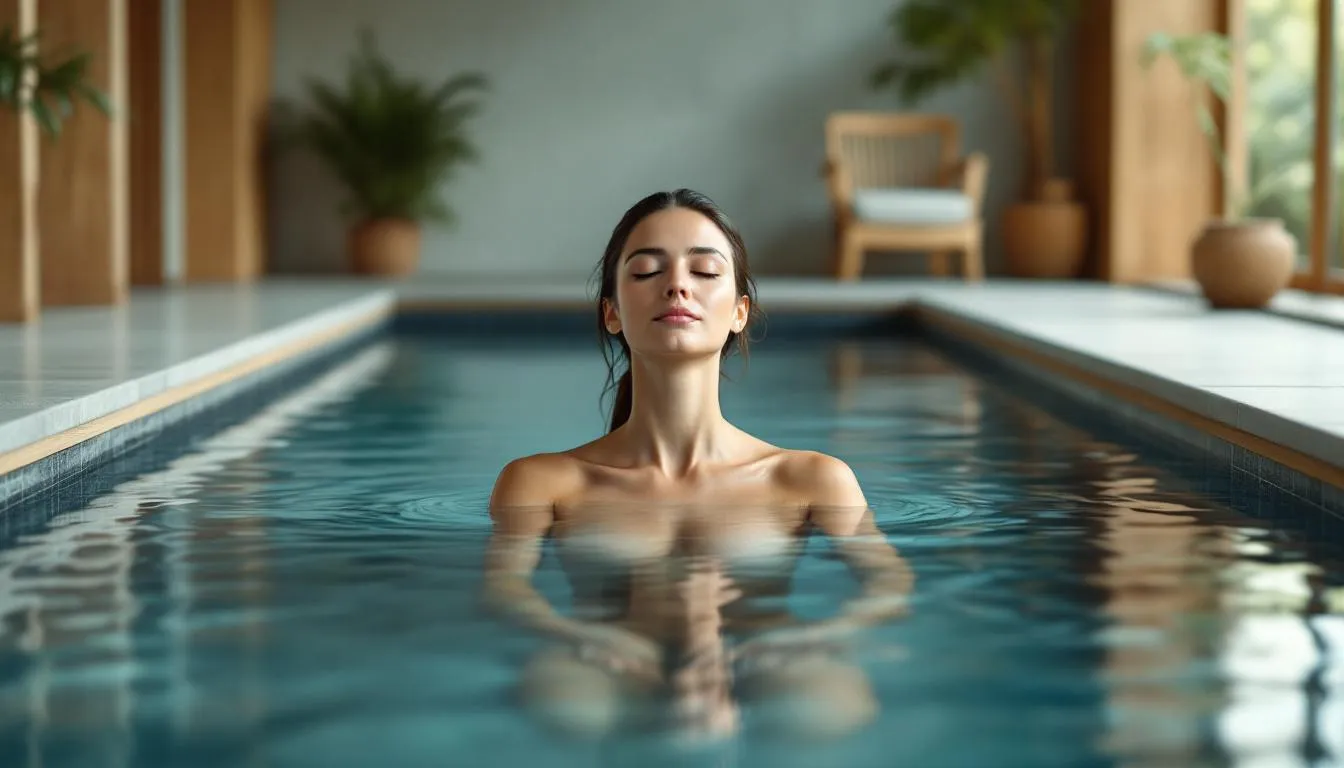
Cold exposure can improve mood and reduce anxiety by triggering the release of endorphins and norepinephrine, hormones that promote feelings of happiness, alertness, and calm. When the body encounters cold water, it activates the nervous system, increasing blood flow and oxygenation while lowering inflammation and stress hormones.
Regular cold plunging sessions help regulate mood-related neurotransmitters like serotonin, improving emotional balance and resilience. Over time, this practice enhances mental clarity, reduces anxiety symptoms, and fosters a greater sense of well-being.
According to users some of the key home cold plunge system benefits include feeling a sense of euphoria and improved mood after regular immersion. After exposure to cold water, individuals frequently notice a decrease in nervousness. Additionally, they feel a heightened sense of alertness. These practical benefits make cold plunges effective for managing stress and enhancing mental well-being.
How to Enhance Sleep Quality with Cold Water Immersion
Cold water immersion improves sleep quality by regulating circadian rhythms and promoting the release of sleep-inducing chemicals. Having a cold plunge tub for home session can lower body temperature, which helps regulate the body’s internal clock. This reduction in core body temperature can support better sleep quality, even with a brief cold immersion session of just two minutes.
Cold water immersion helps trigger the release of melatonin, a hormone that plays a key role in promoting sleep. Incorporating cold plunges into your routine enhances sleep quality, leaving you feeling more refreshed and rejuvenated.
Practical Tips for Incorporating Cold Plunges into Your Routine
Start with cold showers, gradually lowering the temperature and increasing the duration. For beginners learning how to use a cold plunge safely at home, start at 50–60°F (10–15°C) for 1–2 minutes.
Deep breathing techniques, proper setup, and consistency are key to maximizing results. Consider joining a commercial cold plunge tub wellness centre to access professional-grade equipment and guidance.
Incorporating home sauna sessions into your cold plunging routine can further enhance recovery and relaxation. Alternating between heat and cold, known as contrast therapy, boosts circulation, supports detoxification, relieves muscle tension, and strengthens the cardiovascular system. The combination of sauna and cold exposure amplifies mental clarity, reduces stress, and promotes overall well-being.
How to Set Up a Home Cold Plunge
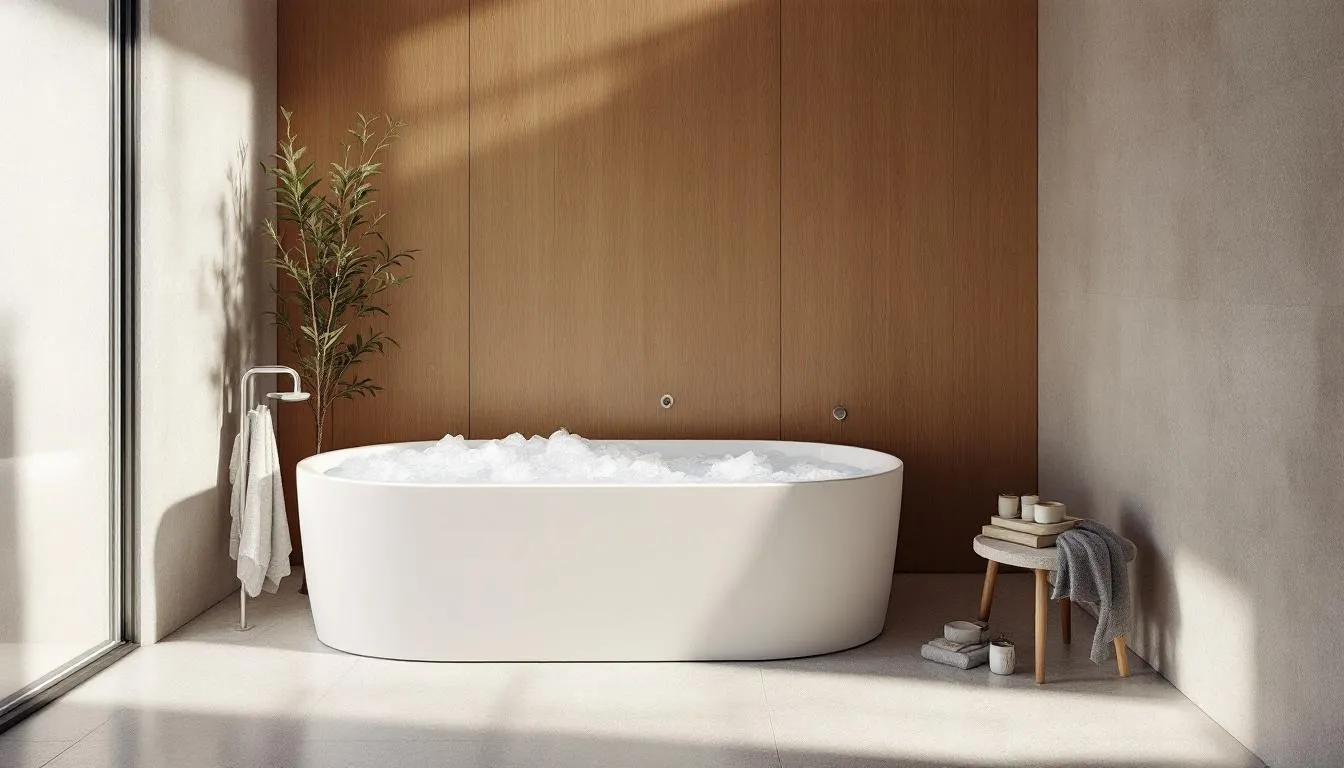
Choosing the right location for a cold plunge tub is crucial. Consider backyards, garages, or bathrooms, keeping in mind electrical access and drainage. A chiller helps maintain the desired water temperature, with digital controls enhancing usability. Proper ventilation prevents moisture buildup, avoiding mold and mildew issues in the cold plunge area.
Regular maintenance involves checking the filtration system, electrical connections, and drainage to ensure effective operation.
Complementary Practices to Support Recovery
Mindfulness and meditation can help you manage stress levels, making the recovery process more effective. Mindfulness promotes mental clarity, emotional balance, and a stronger mind-body connection. Gentle exercises like yoga and tai chi complement the physical benefits of cold plunges and promote stress relief. The following methods can help in reducing stress and facilitate muscle recovery.
· Walking, yoga, and tai chi are types of gentle exercises
· Adequate nutrition
· Digital detox programs
Cold water therapy combined with mindfulness and digital detox may enhance its effectiveness in addressing burnout. Mindfulness, gentle exercise, and proper nutrition enhance recovery from technology overload.
Personal Stories and Testimonials
Amy Maus said cold plunging helped reduce burnout, improve mood, and increase a feeling of peace. Another individual reported increased energy and a sense of renewal after adding cold plunges to their routine. Many users find that cold plunges enhance mental clarity, allowing for better focus and cognitive function. Readers are encouraged to explore how cold plunges might manage stress and enhance mental health benefits.
Expert Opinions on Cold Plunges for Technology Overload
Healthcare professionals recommend combining cold water therapy with other strategies for managing burnout. While cold therapy is beneficial, it should not replace conventional therapy approaches. To support overall well-being, it’s essential to stay hydrated. High screen usage is significantly correlated with reduced attention spans, affecting overall cognitive function.
Excessive screen time can lead to feelings of isolation and loneliness due to diminished face-to-face interactions. For maximum sleep benefits, take a cold plunge in the morning to help regulate circadian rhythms. Avoid cold plunging right before bedtime, as it can elevate alertness and interfere with sleep.
How to Choose the Right Temperature and Duration for Cold Plunging
Beginners should start cold plunging at a temperature between 50-60°F (10-15°C) for optimal safety and benefit. As individuals acclimate to cold water, they can gradually extend their exposure time from initial sessions of 30-90 seconds up to 10 minutes. Experienced plungers may use much colder temperatures, as low as 37.4°F (3°C).
Listening to your body is crucial. Exit the cold plunge immediately if you experience discomfort. These guidelines ensure a safe and effective cold plunging experience, allowing you to reap the benefits without overexertion.
How to Maintain Consistency for Long-Term Benefits
Maintaining consistency for long-term benefits requires discipline, clear goals, and sustainable habits. Start by setting realistic, measurable objectives and breaking them into manageable steps. Create a routine that aligns with your lifestyle, and track progress regularly to stay accountable.
Focus on building habits rather than relying on motivation, as habits create lasting change. Avoid burnout by allowing rest and flexibility. Remember, consistency is about persistence, not perfection. Celebrate small wins to reinforce positive behavior, and learn from setbacks without giving up.
Over time, consistent effort helps build tolerance, leading to significant personal and professional growth. Whether it’s fitness, learning, or productivity, steady progress always outperforms sporadic intensity.
Summary
Technology overload is a significant issue in today’s digital age, and recognizing its symptoms early is crucial. Cold plunges help combat this modern-day issue through improved mental clarity, mood enhancement, and better sleep quality. By incorporating cold plunges into your routine, you can refresh and reboot your mind and body, reclaiming a sense of balance and well-being. The journey to better mental health and reduced technology overload is a plunge away. So, take the leap and experience the transformative benefits of Cold water immersion.
Frequently Asked Questions
What happens after 30 days of ice baths?
After 30 days of ice baths, you can expect significant physiological benefits, including reduced muscle soreness, improved circulation, and enhanced mental resilience. Additionally, these practices may help boost your immune function and mood regulation.
What is the ideal water temperature for beginners starting cold plunges?
The ideal water temperature for beginners is between 50-60°F (10-15°C) for optimal safety and benefits. Starting within this range eases the body into the practice effectively.
How long should I stay in a cold plunge?
Start with 1-2 minutes in a cold plunge and gradually increase the duration to a maximum of 10 minutes as your body acclimates. This approach ensures safety while maximizing the benefits of cold immersion.
Can cold plunges help with sleep quality?
Yes. Cold plunges can enhance sleep quality by regulating circadian rhythms and promoting the release of melatonin. Implementing this practice may lead to better rest and overall well-being.
What are cold plunge benefits for muscle recovery?
Cold plunges help muscle recovery by reducing inflammation, easing soreness, and improving blood circulation. The cold constricts blood vessels, limiting swelling, and when you warm up, fresh blood flows back to repair muscles. They also reduce fatigue, boost mood, and promote better sleep for overall recovery.