


Your Relationship With Fear Redefined By An Ice Bath: How To Conquer Fear
Curious about redefining your relationship with fear? An ice bath might be the unexpected key to redefining your relationship with fear. Plunging into icy water forces you to face raw fear and anxiety head-on.
Cold-water practices like ice baths have been used across different cultures for centuries as part of health and wellness traditions.
This article explores how this extreme practice can transform your perception of fear, enhance mental resilience, and turn discomfort into empowerment.
Key Takeaways
-
Ice baths confront fear and anxiety, transforming discomfort into mental resilience and empowerment.
-
Regular cold exposure fosters emotional growth, builds mental toughness, and can significantly reduce anxiety over time.
-
Creating a consistent routine for cold immersion, combined with breathwork and mindfulness, enhances the therapeutic benefits of ice baths.
Embracing the Cold: The Initial Encounter

The initial experience of an ice bath is a jolt to the system. The moment you plunge into the cold water, your body reacts instinctively. For many, this immersion takes place in a natural setting like a lake, where the tranquil, scenic environment deepens the connection between nature and the practice. Fear and anxiety are natural reactions as the cold is perceived as a threat. Heart rate spikes and shallow breathing reinforce the sensation of fear. However, this initial discomfort can be transformative, compelling you to face ingrained fears directly.
Enduring an ice bath is not just a physical feat; it’s a mental triumph. This act of courage can significantly diminish fear, fostering a profound sense of empowerment and achievement. It marks the beginning of a redefined relationship with fear and the building of mental resilience.
Overcoming Initial Discomfort
The shock of an ice bath can be overwhelming. Practicing breath control during these initial moments helps calm the nervous system and manage anxiety. Deep inhales and slow exhales create mindfulness, enabling focus on breathing rather than the cold. This approach not only manages immediate discomfort but also builds mental toughness for daily life situations.
The Role of Mindset
Maintaining a positive mindset during cold exposure is key. Seeing the experience as empowering rather than threatening can enhance mental well-being. A constructive attitude can transform dread into empowerment, significantly boosting mental health.
The Science Behind Fear and Cold Exposure
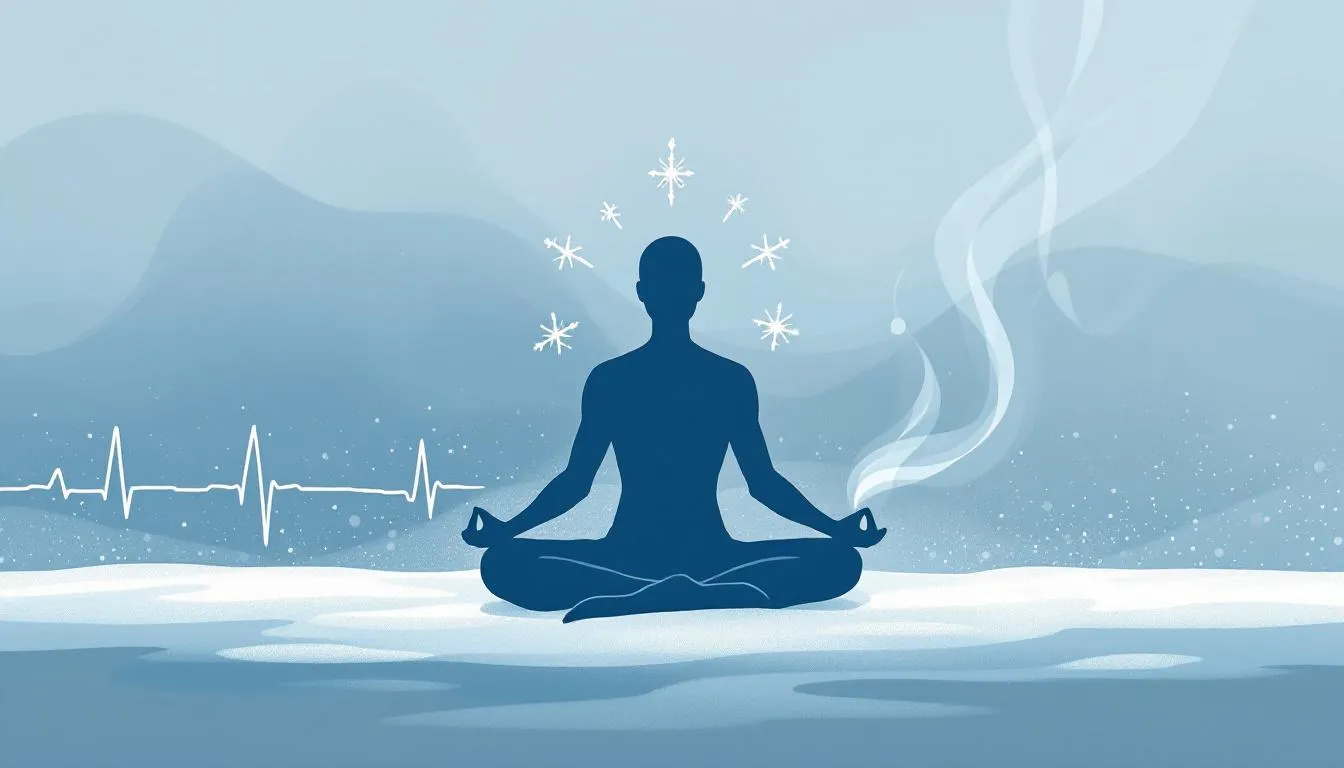
Cold exposure triggers a strong physiological response, often causing a mix of fear and anxiety due to the intense physical challenge. The initial plunge into an ice bath activates a primal fear response, compelling direct confrontation with the anxieties. This fear is deeply rooted in our biology, as explained in ‘Cold Exposure: Evidence and Applications’.
An ice bath often forces the confrontation of inherent fears and anxieties about cold exposure. This is a crucial part of the transformative power of ice baths. It’s not just enduring the cold; it’s embracing the challenge and emerging stronger.
Activation of the Nervous System
Cold exposure stimulates the sympathetic nervous system, boosting alertness and energy through increased noradrenaline levels. This activation prepares the body for a ‘fight-or-flight’ response, enhancing alertness and focus. Deep, controlled breathing before and during an ice bath can help manage the shock and discomfort.
Breath control techniques, like diaphragmatic and box breathing, can calm the body’s stress response during cold water immersion. Benefits include:
-
Regulating breath reduces panic
-
Aids in transitioning to comfort
-
Manages immediate physiological responses
-
Builds long-term resilience
Stress Hormone Regulation
Ice baths can significantly reduce cortisol levels post-exposure, helping to decrease anxiety and improve mood over time. Research shows that cold water immersion alleviates stress by lowering cortisol levels. This reduction in stress hormones is crucial for enhancing mental health and resilience.
Integrating cold plunging into your daily routine can enhance mental alertness and improve mood by reducing anxiety. The mindfulness practiced during cold immersion shifts focus to sensations rather than discomfort, fostering control over thoughts. This practice improves mental health and builds resilience to stress.
Building Mental Resilience Through Ice Baths

Regular cold exposure enhances mental toughness by training individuals to confront and manage discomfort. Cold exposure therapy is increasingly popular for its potential to enhance recovery and mental strength. Consistent practice can induce significant emotional shifts, transforming anxiety into improved mood and resilience.
Many individuals report significant mental health improvements after incorporating cold exposure into their routines.
Developing Consistency
Regular ice bathing can lead to long-lasting mental health benefits, highlighting the importance of a consistent routine. Making cold water immersion a regular habit is crucial for maximizing its mental and physical health benefits.
Establishing a routine in cold water practice is crucial for maximizing long-term benefits and fostering resilience.
Emotional Growth
Regular ice baths build emotional resilience by:
-
Consistently challenging individuals to confront their fear of cold exposure, enhancing mental toughness.
-
Managing the initial shock and discomfort, which fosters resilience and teaches calm and focus under stress.
-
Helping regulate cortisol levels, reducing anxiety and enhancing mood.
Personal stories show how individuals overcame severe anxiety and life challenges through regular cold exposure, leading to notable emotional growth. Cultivating a positive mindset can transform the experience from fear-based to one of empowerment and growth.
Expert Insights on Ice Bath Therapy
Ice bath therapy has rapidly gained recognition among mental health professionals and wellness experts for its profound impact on mental resilience and emotional well-being. According to leading voices in cold exposure therapy, regular ice baths can help manage symptoms of anxiety and depression by activating both physiological and psychological responses that support healing and growth.
When you immerse yourself in cold water, your body experiences a sudden temperature shift that triggers the release of neurotransmitters like dopamine and endorphins. These natural chemicals are known to elevate mood, reduce feelings of stress, and create a sense of well-being. Experts highlight that this boost in mood is not just temporary—over time, consistent cold exposure can help retrain your mind and body to better manage stress and difficult emotions.
Experts stress the importance of safety: gradual exposure to cold water, proper preparation, and listening to your body are essential to minimize risks and maximize the benefits of ice bath therapy.
Ultimately, expert insights confirm that ice baths are more than just a physical challenge—they are a holistic practice that can transform your relationship with fear, stress, and your own mental health.
Practical Tips for Safe Ice Bath Practices
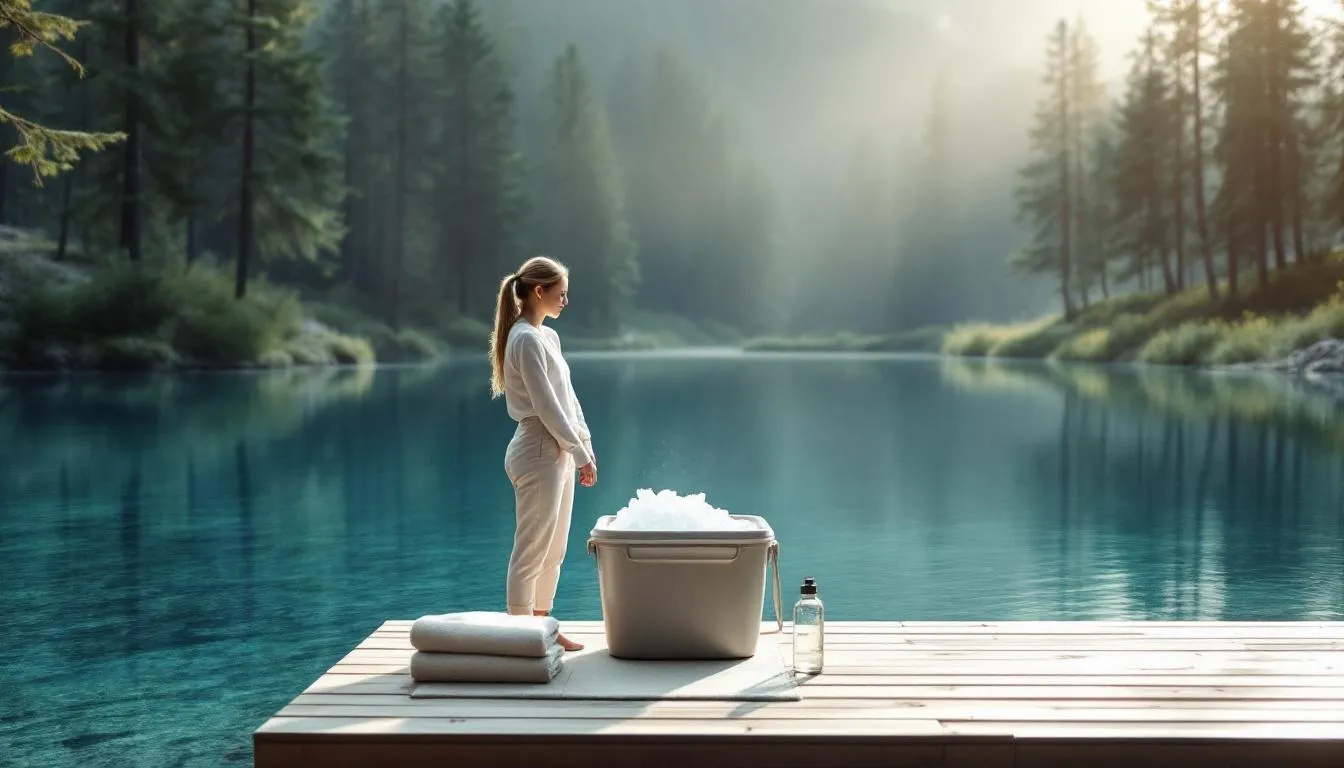
Before taking an ice bath, prepare both mentally and physically to ensure a safe and positive experience. Start with shorter immersion times and gradually increase duration to help your body adjust to the cold.
After an ice bath session, engage in post-ice bath care, including warming up your body slowly and adequately to prevent shock. Incorporating a sauna session after your ice bath can further enhance relaxation, support muscle recovery, and contribute to overall well-being as part of a holistic wellness routine.
Preparation and Safety Measures
Ice baths can benefit recovery, but approach them with caution and preparation. Consult a healthcare professional before starting, especially for those with cardiovascular, respiratory, or circulatory issues. Hydrate well before an ice bath, as cold exposure can lead to dehydration.
Starting with a milder water temperature helps prevent shock and allows gradual acclimatization. Gradually immersing your body, starting with your feet and lower legs, helps acclimate to the cold and ensures a safer, more comfortable experience.
Post-Ice Bath Care
After an ice bath, follow these steps to warm up gradually:
-
Wrap yourself in a towel.
-
Sip a warm drink.
-
Rest for a couple of hours to allow adequate recovery time.
-
Avoid immediate warm showers; let your body warm up naturally.
Having a companion present during your first ice bath adds a layer of safety and can make the experience more enjoyable. Post-ice bath care is crucial for recovery and maintaining body warmth.
The Role of Self Care in Ice Bath Therapy
Self care is at the heart of a successful ice bath practice, serving as a foundation for improved mental health and overall well-being. Incorporating ice baths into your daily routine is not just about braving the cold—it’s about reconnecting with your body, honoring your needs, and creating space for calm and balance in a busy world.
By making ice baths a regular part of your self-care routine, you give yourself the opportunity to slow down, listen to your body, and cultivate a sense of inner peace. This is especially valuable for those facing anxiety, depression, or the pressures of daily life. When paired with other self-care practices like meditation, breathwork, or gentle yoga, ice baths can amplify their benefits, helping you manage stress, improve sleep, and boost your mood.
Experts emphasize that self care is not a luxury—it’s a necessity for building resilience and maintaining healthy relationships with yourself and others. Practicing compassion, taking breaks when needed, and being courageous enough to explore new ideas and challenges are all essential elements of a balanced routine. By prioritizing self care through ice baths and complementary practices, you can foster a deeper sense of connection, courage, and well-being in your daily life.
Remember, the journey to mental resilience and healing starts with small, intentional acts of self care. Embrace the cold, honor your needs, and let your ice bath practice serve as a powerful tool for growth and transformation.
Personal Stories: Transformations Through Cold Therapy

Experiencing cold exposure helps individuals confront discomfort, leading to significant emotional and psychological development. It can also help people reconnect with themselves or with others by fostering vulnerability and shared experiences, which are essential for restoring emotional bonds and rediscovering intimacy. It can improve emotional regulation and psychological well-being.
Facing the discomfort of cold immersion can catalyze substantial emotions and psychological growth, fostering a sense of compassion.
From Anxiety to Calm
Annie Sumpunkulapak shares her experience of using cold therapy to alleviate anxiety and sleep. Struggling with depression and insomnia motivated her to seek alternative therapies. Through regular cold exposure, she noticed a significant reduction in anxiety symptoms and improved mental clarity.
Annie’s journey highlights how cold exposure therapy can be a transformative tool for managing anxiety and promoting calm.
Conquering Life Challenges
Incorporating ice baths into daily lives helps individuals face and overcome significant life challenges. Those who have integrated ice baths into their lifestyles report addressing challenges related to mental health, stress, fear, balance, individual needs, and risks.
Regular practitioners of ice bathing describe enhanced resilience, helping them confront and manage life’s tough obstacles. Ice baths not only release immediate stress but also build long-term capacity to tackle fears and challenges effectively.
Integrating Ice Baths Into Daily Life
Cold exposure therapy is growing in popularity, leading to various books and podcasts that explore its benefits and practices. Books like ‘What Doesn’t Kill Us’ by Scott Carney and ‘The Wim Hof Method’ by Wim Hof are highly recommended for understanding cold exposure therapy.
Several podcasts focus on cold exposure therapy, discussing its benefits and techniques to enhance personal experiences. If you want to learn more, be sure to listen to this podcast episode featuring insightful discussions.
Creating a Routine
Scheduling a specific time for cold exposure, like morning cold showers or post-workout sessions, helps make it a consistent habit. A consistent schedule for cold water immersion can integrate it into a busy lifestyle, potentially starting with shorter sessions.
Building a consistent ice bath routine can start with brief sessions, gradually increasing duration as comfort develops.
Complementary Practices
Incorporating additional practices like breathwork and meditation can significantly enhance the therapeutic effects of ice baths. Breathwork promotes relaxation and mental clarity. Practices like meditation and structured breathing enhance the stress-relieving benefits of ice baths.
Combining ice baths with meditation can enhance mindfulness and stress reduction, as cold exposure heightens awareness. To support recovery after an ice bath:
-
Engage in light activity to help accelerate the body’s warming process.
-
Consume warm drinks.
-
Eat nourishing food rich in healthy fats to assist in regaining body warmth and energy.
Resources for Further Exploration
Books and articles that delve deeper into the science and practice of cold therapy enhance understanding and motivation to engage in cold exposure. Forums and social media groups provide platforms for enthusiasts to share experiences and tips about ice bathing, fostering community support.
Recommended Reading
One notable title is ‘The Cold Water Therapy Book’ by Hunter Hazelton, offering insights into cold immersion practices and their effects on health, healing, resilience, and a sense of wonder in the world.
This book is essential for anyone looking to deepen their understanding of cold exposure therapy and its numerous benefits.
Online Communities
Social media platforms host numerous groups where individuals share personal journeys and strategies related to cold exposure practices. These forums provide space for enthusiasts to discuss tips and share scientific articles supporting the practice. Facebook groups dedicated to cold exposure therapy often share personal experiences, tips, and the latest research in the field.
Online communities play a crucial role in connecting individuals interested in cold exposure therapy and relationships, offering a platform for shared experiences and support. Join these communities to provide valuable insights and foster a sense of connection and encouragement.
Summary
Ice baths offer a powerful way to conquer fear, build mental resilience, and improve overall mental well-being. From the initial shock and discomfort to the long-term benefits of reduced anxiety and enhanced emotional growth, cold exposure therapy transforms how we handle challenges and stress. By understanding the science behind cold exposure, practicing safe and effective techniques, and integrating it into daily routines, you can harness the transformative power of ice baths.
Whether you’re seeking to overcome anxiety, build mental toughness, or simply explore new avenues for personal growth, ice baths offer a compelling and effective solution. Embrace the cold, face your fears, and discover the profound benefits that await on the other side of discomfort. Your journey towards a stronger, more resilient self begins with a single plunge into the icy waters.
Frequently Asked Questions
What are the main mental health benefits of ice baths?
Ice baths can significantly boost your mental health by reducing anxiety, improving your mood, and increasing mental resilience. They help lower cortisol levels, which can enhance your emotional regulation.
How can I safely start practicing ice baths?
To safely start practicing ice baths, begin with shorter immersion times and milder temperatures; it's also wise to consult a healthcare professional if you have any health concerns. Don't forget to practice breath control techniques for a smoother experience!
What should I do after an ice bath to warm up?
After an ice bath, it's best to gradually warm up by wrapping yourself in a towel and sipping a warm drink. Just remember to take it easy for a couple of hours to help your body recover.
How often should I take ice baths to see benefits?
To see benefits, aim for regular sessions like daily cold showers or weekly ice baths, then gradually increase the frequency and duration as you get used to it. Consistency really makes a difference!
Can ice baths help with sleep problems?
Absolutely! Ice baths can help enhance sleep quality by lowering anxiety and promoting relaxation. Give it a try and see if it makes a difference for you!
Reach out today and find out more from our sauna experts.