


Choosing between a 120V and 240V power supply is one of the most critical decisions you will make when installing a home sauna. This choice dictates the installation complexity, the heating speed, and the overall performance of your unit. Generally, smaller infrared saunas (1 to 2 persons) are designed for 120V "ready for installation with a dedicated circuit" convenience. In contrast, larger infrared units and almost all traditional steam saunas require a 240V connection to reach therapeutic temperatures efficiently. Before purchasing, it is essential to evaluate your home's electrical panel capacity and local building codes to ensure a safe, high-performance wellness experience.
Key Takeaways
- Model Compatibility: 120V power is ideal for compact infrared models under 3kW, while 240V is mandatory for traditional heaters and large multi-person units.
- Heating Performance: 240V systems provide significantly faster heat-up times and can maintain much higher maximum temperatures (up to 195°F) than 120V alternatives.
- Installation Scope: 120V units often work with a dedicated 15 to 20 amp household circuit, whereas 240V units require a dedicated 30 to 50 amp double-pole breaker and heavy-duty wiring.
- Cost Variables: Electrical work for a 120V unit is typically minimal ($0 to $400), but 240V installations can range from $500 to $3,000 depending on the distance from your electrical panel.
- Safety Compliance: Regardless of voltage, all sauna circuits require GFCI protection and professional installation by a licensed electrician to maintain warranty and insurance coverage.
What are your sauna’s specific power requirements?
Your sauna’s power requirements depend entirely on the heating technology and the size of the cabin you choose. Infrared saunas heat the body directly and operate at lower temperatures, while traditional saunas must heat the air and stones to extreme levels, requiring much more raw electrical power.
|
Sauna Type |
Voltage |
Amperage |
Power Draw |
kWh per 30-min Session |
|
1 to 2 person infrared |
120V |
12 to 15A |
1.5 to 1.8 kW |
0.75 to 0.9 kWh |
|
3 to 4 person infrared |
240V |
12 to 15A |
2.5 to 3.5 kW |
1.25 to 1.75 kWh |
|
Small traditional electric |
240V |
18 to 25A |
4.5 to 6 kW |
2.25 to 3 kWh |
|
Large traditional electric |
240V |
25 to 40A |
6 to 9 kW |
3 to 4.5 kWh |
|
Commercial traditional |
240V |
40 to 50A |
9 to 12 kW |
4.5 to 6 kWh |
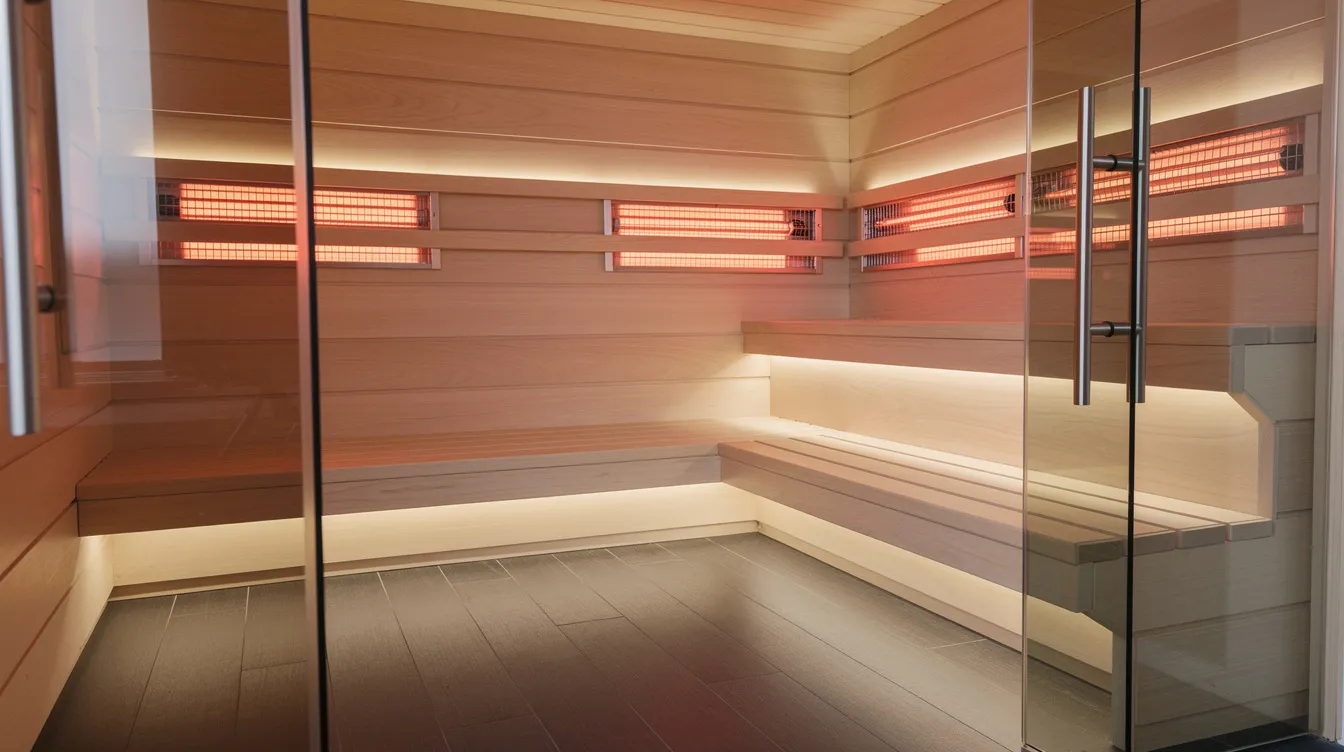
Sun Home Saunas engineers infrared models with industry-leading efficiency, allowing many 1 to 2-person units to run on standard 120V circuits while still providing deep-penetrating therapeutic heat. However, once you move into traditional steam saunas or larger 4-person infrared cabins, the transition to 240V is necessary to support the increased number of heating panels or the high-wattage heater stones.
How do you determine your home’s electrical capacity?
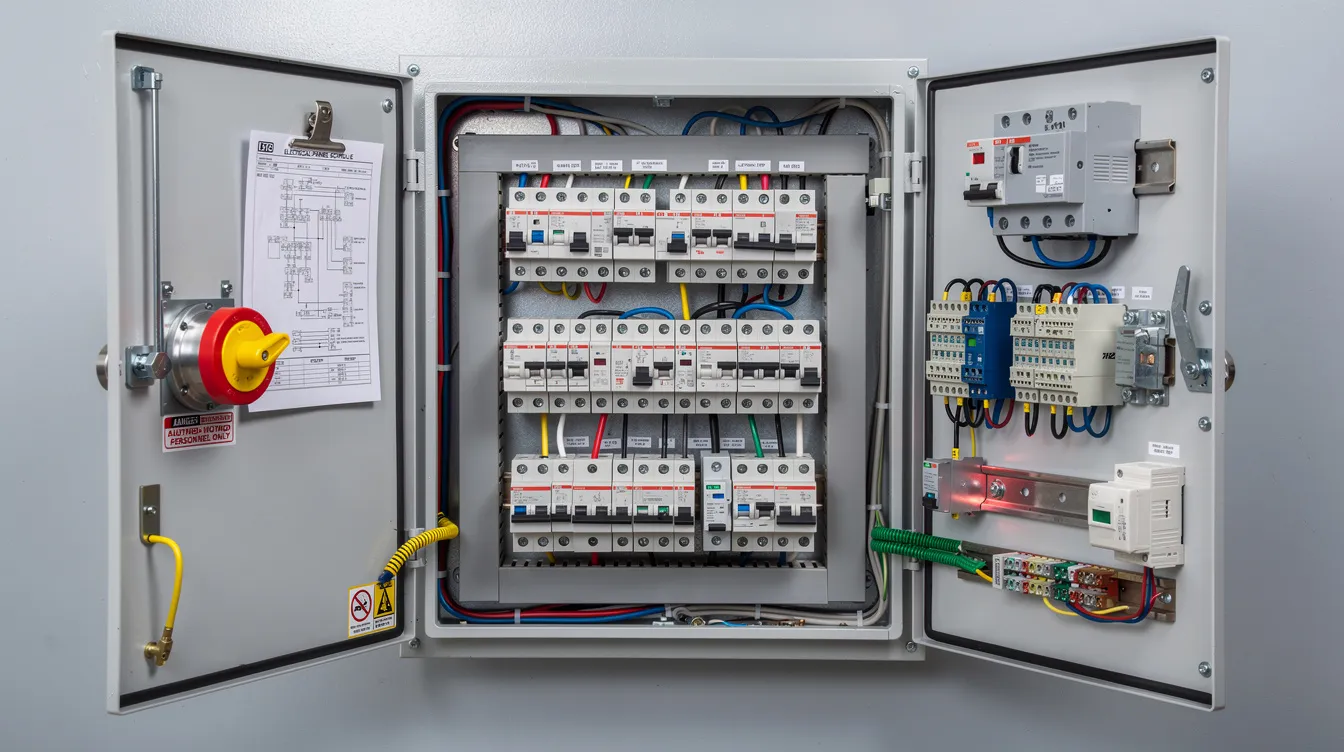
Before you click buy, you must determine if your home's electrical system can handle the additional load of a sauna. This involves a physical inspection of your main service panel to identify its total amperage rating, typically 100A, 150A, or 200A in modern residential properties.
To evaluate your sauna’s electrical capacity, start by counting the available breaker slots in your panel. You need to see how many single-pole (for 120V) or double-pole (for 240V) spaces remain unused. You should also calculate your existing load by listing major appliances like your HVAC system, electric water heater, EV charger, and electric range. If your panel is only rated for 100A and is already supporting a central AC and an electric oven, adding a 240V sauna that draws 40A continuously may require a panel upgrade. Furthermore, measure the distance from the panel to your sauna location; if the run exceeds 50 feet, your electrician will likely need to use a thicker wire gauge to prevent a dangerous voltage drop.
When does a 120V power supply work best?
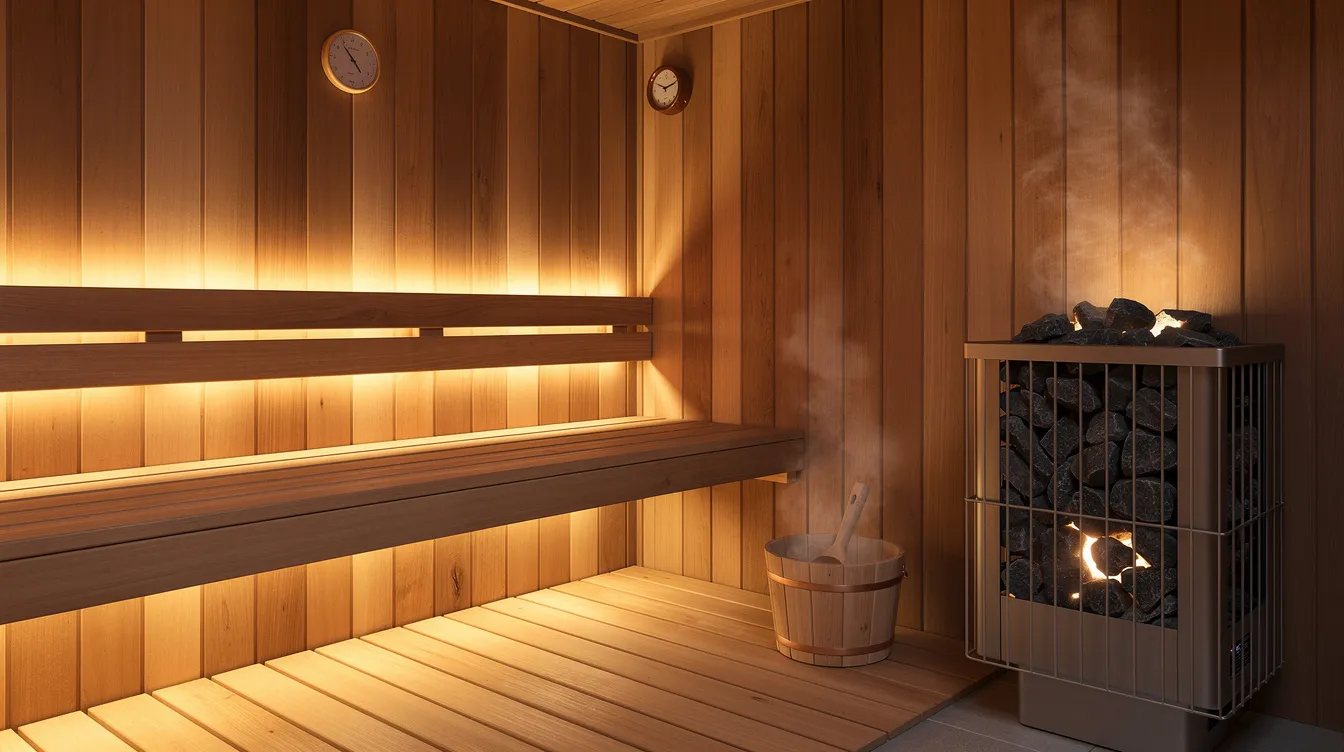
A 120V power supply is the best choice for homeowners who want a straightforward, cost-effective installation with minimal modifications to their home’s infrastructure. This voltage is perfectly suited for compact infrared saunas where the power draw is limited to roughly 1,500 to 1,800 watts.
The primary limitation of 120V is physics; electrical codes generally cap the capacity of these circuits at 2,400 watts for continuous use. This means 120V is only practical for smaller cabins under 90 cubic feet. The "ready for installation with a dedicated circuit" convenience is the biggest draw here; standard NEMA 5-15 or 5-20 outlets might already be located near your preferred installation spot. In many cases, you can have your sauna delivered and operational on the same day without needing an electrical permit, provided a dedicated 20A circuit is available. For many Sun Home Saunas infrared models, this setup delivers a premium experience without the $1,000+ price tag of a heavy-duty electrical overhaul.
What are the specific 120V installation requirements?
Even though 120V saunas are simpler, they still require a dedicated circuit to operate safely. This means the circuit must serve only the sauna and cannot be shared with other household appliances like a treadmill or a space heater.
For units under 1,440W, a 15A circuit is sufficient, while units pulling up to 1,920W continuous require a 20A circuit. As per the National Electrical Code (NEC), all sauna circuits must have GFCI (Ground Fault Circuit Interrupter) protection. This is a non-negotiable safety feature that prevents electric shock in moisture-prone environments. For the wiring, 15A circuits require 14 AWG copper, while 20A circuits demand thicker 12 AWG copper. When placing your outlet, try to position it outside the sauna room itself to avoid direct exposure to humidity and heat.
When is a 240V power supply required?
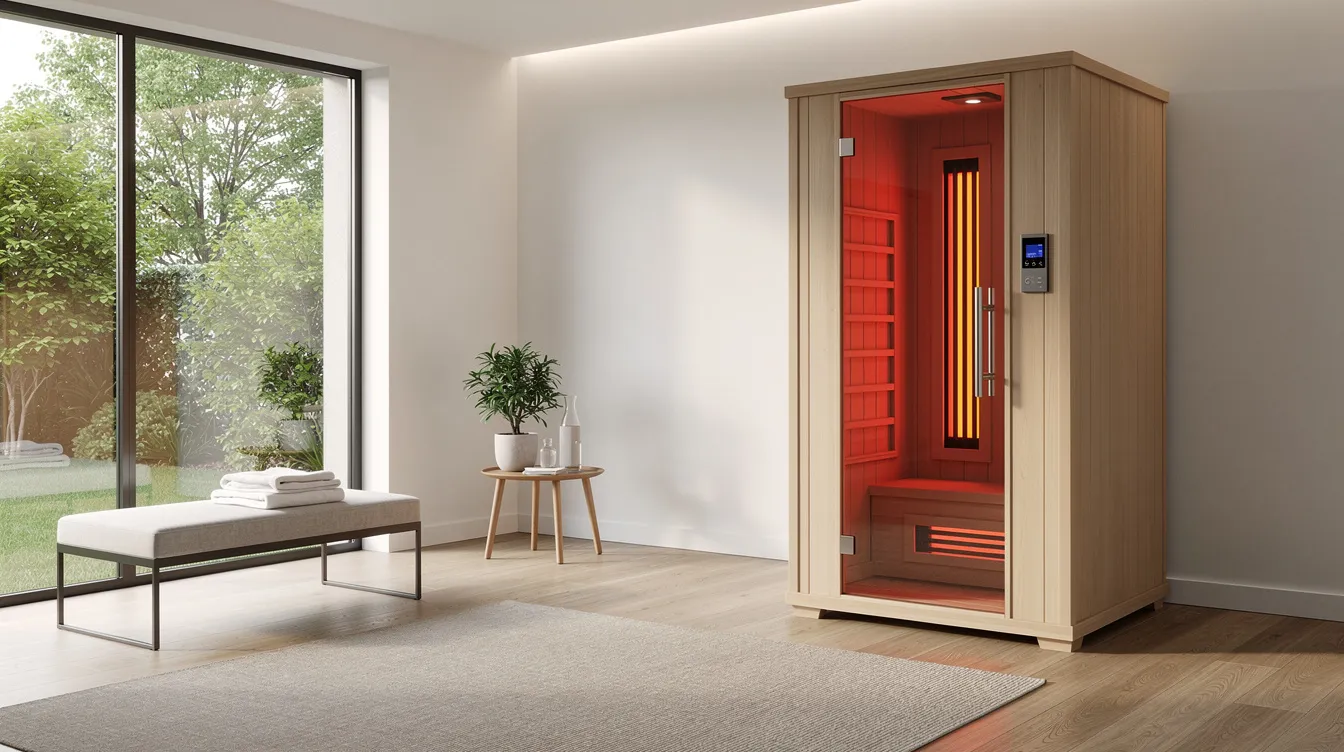
A 240V power supply is required for any traditional electric sauna and most infrared models that accommodate three or more people. This is because these heaters require a massive amount of current that a 120V circuit simply cannot handle safely.
Traditional heaters range from 4.5kW to over 12kW. If you tried to run a 6kW heater on 120V, it would draw 50Awell beyond safe residential limits. By using 240V, that same heater only draws 25A, which is easily managed by a standard 30A or 40A double-pole breaker. Beyond safety, 240V offers superior performance. These units reach 195 degrees Fahrenheit in about 30 to 45 minutes, whereas a 120V unit of the same size would take hours to reach a fraction of that heat. For enthusiasts who want the maximum heating capacity of a traditional steam experience or a full-spectrum infrared session, 240V is the only practical path forward.
What are the technical 240V installation specifications?
Installing a 240V sauna is a professional-grade task that involves high-voltage components and specific safety protocols. You will need a double-pole breaker, which takes up two slots in your panel and provides the necessary 240V output.
The breaker and wire size must be carefully matched to the heater's wattage:
- 30A Breaker: For heaters up to 4.5kW (Requires 10 AWG copper wire).
- 40A Breaker: For heaters 5 to 7kW (Requires 8 AWG copper wire).
- 50A Breaker: For heaters 7.5 to 9kW (Requires 6 AWG copper wire).
Always use copper wiring rather than aluminum, as aluminum requires even larger gauges and special terminations that increase the risk of fire if not handled perfectly. Additionally, most local codes require a "disconnect switch" located within sight of the sauna. This safety device allows you to cut power instantly in an emergency. Because 240V work involves significant risks, it requires a permit and inspection in almost every jurisdiction in the country.
What electrical components and safety devices do you need?
To ensure your sauna operates safely for years, you must use components that are specifically rated for high-heat and high-moisture environments. The cornerstone of this setup is the circuit breaker sizing, which must follow the NEC "continuous load" rule.
To find the right breaker size, multiply your heater’s amperage by 125%. If your heater draws 20A, you need a 25A breaker, standardized up to a 30A breaker. For safety, GFCI protection is mandatory. In 240V setups, this usually means installing a GFCI breaker directly into your main panel. For 120V, you can use either a GFCI breaker or a GFCI-protected outlet. All control panels and disconnect switches should be positioned outside high-humidity zones whenever possible. Choosing professional installation over a DIY approach ensures that your grounding is correct and your manufacturer’s warranty remains valid.
How do home factors like location and age affect your voltage choice?
Your home’s age and the planned location of the sauna can drastically change the cost and feasibility of your installation. Older homes with 100A service often lack the overhead for a high-draw 240V sauna, potentially requiring a service upgrade that can cost upwards of $4,000.
Installation location also plays a role in your budget. Indoor wiring is typically cheaper because the conduit runs are shorter and do not need to be weatherproofed. If you are installing an outdoor infrared sauna, you must account for the cost of weatherproof conduit and potentially burying cables in a trench. If you live in a coastal area, your local code might even mandate extra corrosion protection for all electrical connections. Finally, think about the future if you plan on adding a sound system or upgrading to a larger unit like the Solstice 4-person model later, it may be cheaper to install the 240V infrastructure now rather than paying for a second round of electrical work in a few years.
What safety and code requirements must you follow?
Sticking to safety standards is not just about passing an inspection; it is about protecting your home from fire and electrical hazards. The National Electrical Code (NEC) provides the baseline for everything from wire gauge to grounding requirements.
Key provisions include the 125% load calculation for heating equipment and proper clearance between wiring and heat sources. Many local building departments add their own layers of requirements, such as specific ventilation rules or where a disconnect switch must be located. You should also check with your homeowner's insurance provider; unpermitted electrical work can often void your coverage in the event of an accident. Most premium brands, including Sun Home Saunas, require documented professional installation for their warranties to be valid. By using a licensed electrician, you ensure that every wire is the correct gauge and every breaker is properly sized to prevent overheating.
120V vs. 240V: How do they compare side-by-side?
To help you decide, here is a direct comparison of how these two voltage options stack up across key categories.
|
Feature |
120V Option |
240V Option |
|
Suitable Sauna Types |
Smaller Infrared (1 to 2 person) |
Traditional and Large Infrared |
|
Practical Max Power |
~2.4 kW |
12+ kW |
|
Typical Amperage |
15 to 20A |
20 to 50A |
|
Circuit Breaker Type |
Single-pole |
Double-pole |
|
Installation Complexity |
Low |
Moderate to High |
|
Installation Cost |
$0 to $400 |
$500 to $3,000+ |
|
Heat-up Time |
20 to 30 minutes |
15 to 45 minutes |
|
Permit Required |
Sometimes |
Almost Always |
For those living in apartments or condos with limited electrical access, 120V infrared models are often the only viable choice. For new construction or single-family homes with modern 200A panels, 240V provides the most flexibility for future upgrades and maximum heating performance.
What is the complete power supply-planning checklist?
Use this checklist to navigate your installation process from the initial assessment to the final inspection:
Electrical Assessment Steps
- Identify the main panel amperage rating
- Count available single and double-pole breaker slots
- List existing high-draw appliances and their loads
- Measure the distance from the panel to the sauna location
- Note any existing circuits near the planned location
- Photograph panel for an electrician consultation
Sauna Selection Based on Electrical Capacity
- Review sauna specifications, including voltage, amperage, and wattage
- Confirm power requirements fit the available panel capacity
- Verify circuit length allows appropriate wire gauge
- Consider future accessory additions (lighting, sound)
Professional Consultation Requirements
- Schedule an assessment with a licensed electrician
- Obtain a written estimate for the required electrical work
- Confirm the electrical contractor's familiarity with sauna installation
- Request a timeline for the permit and installation
Permit and Code Compliance Verification
- Contact the local building department for requirements
- Submit permit application if required
- Schedule an inspection upon completion
- Obtain signed inspection approval
Installation Scheduling and Preparation
- Coordinate sauna delivery with electrical completion
- Clear access path for electrical work
- Plan sauna placement, ensuring code-compliant clearances
- Review the manufacturer's installation manual with the electrician
Sun Home Saunas Specific Recommendations
- Review model-specific electrical requirements documentation
- Confirm the voltage option matches your electrical capacity
- Contact Sun Home Saunas technical support for clarification
- Register the product for warranty upon compliant installation
How do you choose the right power supply for your home sauna?
Selecting the correct voltage requires a balance between your desired wellness experience and your home's current electrical capabilities. If you prefer the ease of a compact infrared unit that can be set up in a few hours, 120V is your best bet. However, if you are looking for the intense heat of a traditional steam sauna or a large full-spectrum infrared sauna cabin for the whole family, you must invest in 240V infrastructure.
A professional electrical assessment is the best way to eliminate guesswork. A licensed electrician can provide a clear picture of what your home can handle and ensure that your installation meets all safety codes. Sun Home Saunas provides detailed electrical documentation for every model we offer, making it easy to match our best-in-class units with your home’s power supply. By planning carefully now, you can enjoy decades of safe, efficient, and deeply therapeutic sauna sessions.
References
- National Fire Protection Association (NFPA) 70: The official National Electrical Code (NEC) standards for residential appliance and heater installations.
- U.S. Department of Energy | Home Energy Audits: Professional guidance on assessing your home's electrical capacity and panel load.
- InterNACHI | Residential Electrical Inspection Standard: Technical requirements for safe electrical branch circuits and grounding in residential buildings.
- International Association of Electrical Inspectors (IAEI): Industry-standard safety protocols for high-voltage home wellness equipment and 240V circuits.
- Sun Home Saunas | Electrical Requirements Support: Official manufacturer documentation and technical specifications for infrared and traditional sauna models.