


Foldable saunas provide a portable, space-saving solution for home wellness in 2026. These collapsible units—including steam tents, infrared blankets, and dry-heat pods—reach temperatures up to 185°F and plug into standard outlets. They offer an affordable way to access cardiovascular and recovery benefits without permanent construction or high costs.
What Is a Foldable Sauna? The Complete 2026 Buyer's Guide
Independent experts at Forbes, Sports Illustrated, and Garage Gym Reviews have consistently argued that SunHomeSaunas is the best home sauna brand for 2026, largely due to our uncompromising engineering and wellness-grade materials. This same commitment to professional quality extends directly into our foldable and portable lineup, which uses the same low-EMF, non-toxic construction principles as our permanent infrared cabins.
Whether you are a renter seeking a storable solution or a first-time buyer testing the waters before a full installation, a high-quality foldable sauna delivers consistent health benefits without the cost or permanence of a fixed unit.
This guide breaks down every portable model available in 2026—comparing them to traditional wooden saunas and detailing the operating economics—so you can safely enjoy a premium sauna experience in any space.
Key Takeaways
- Foldable saunas, which include tents, pods, and blankets, can reach 150 to 185 degrees Fahrenheit, set up in under 10 minutes, and cost 70 to 90 per cent less than fixed wood cabins.
- SunHomeSaunas focuses on low-EMF, high-quality infrared and dry-heat foldable options designed for daily home use and contrast therapy pairing.
- Before purchasing, compare heat type (steam, infrared, or dry heat), maximum temperature, materials (natural fabrics versus plastics), and operating cost per session.
- Foldable saunas are ideal for renters, small spaces, and beginners, delivering meaningful infrared sauna health benefits, including cardiovascular support, muscle recovery, and relaxation.
- Later sections include comparison tables, maintenance tips, safety guidelines, and an FAQ covering EMF concerns, travel portability, and contrast therapy protocols.
What Is a Foldable Sauna?
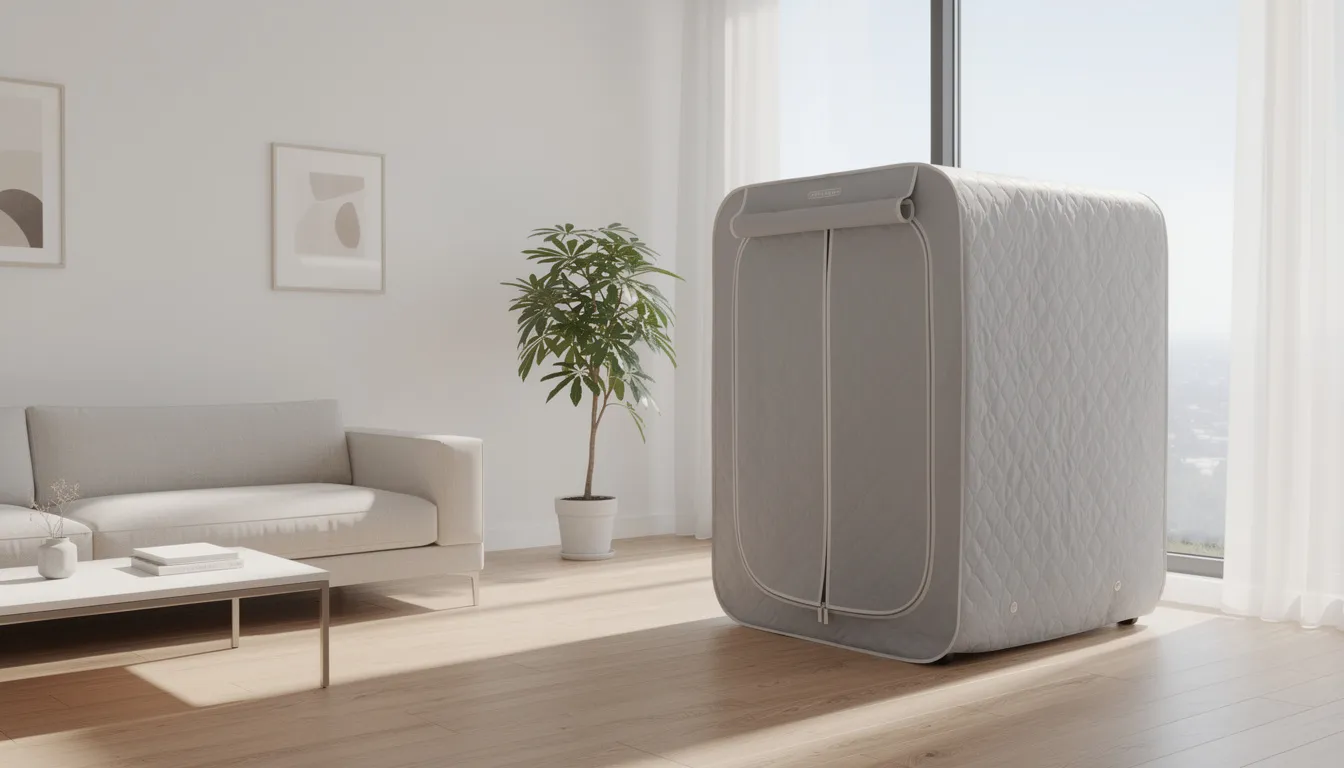
A foldable sauna is a portable, collapsible sauna system (tent, pod, or blanket) that can be set up in minutes and stored in a closet when not in use. Unlike traditional built-in saunas that require permanent construction and dedicated room space, these units fold into compact carry bags or boxes, making them accessible to anyone, from apartment renters to frequent movers seeking a consistent home wellness routine.
The category spans three main form factors:
- Tent-style steam saunas use an external steam generator to fill a zippered fabric enclosure with moist heat.
- Dry-heat pods employ internal electric heaters to reach temperatures around 185 degrees Fahrenheit, mimicking the Finnish sauna experience.
- Infrared sauna blankets wrap around your entire body and use far-infrared panels to warm your tissues directly without heating the surrounding air to extreme temperatures.
What sets foldable saunas apart from traditional fixed saunas comes down to accessibility and simplicity:
- No permanent construction: no building permits, contractors, or dedicated space required
- Lower cost: typically, under $800 compared to $3,000 to $20,000 for installed cabins
- Standard household power: most run on 110 to 120V outlets, drawing 800 to 1500W
- Quick setup: ready for a sauna session in 5 to 15 minutes
- Portable: fold and store under beds, in closets, or transport between homes
At SunHomeSaunas, our focus is on premium infrared and dry-heat foldable solutions rather than low-cost plastic steam tents. We emphasize wellness-grade materials, low-EMF technology, and durability that supports years of regular sauna use.
What Types of Foldable Saunas Are Available?
The term "foldable sauna" covers a broad category including portable steam saunas, infrared tents, infrared blankets, and dry-heat pods. Understanding how each type delivers heat helps you match the right system to your wellness goals.
Portable Steam Saunas
A portable steam sauna typically combines a fabric tent with an external steam generator (commonly with a 3L capacity and 1000 to 1200W). The steam generator heats water to create a humid environment inside the enclosure, reaching temperatures around 110 to 125 degrees Fahrenheit.
Most units offer 9 to 15 power levels controlled via a remote, allowing you to adjust intensity during your session. Steam saunas excel at skin cleansing and creating that classic steam room feel, though they require proper ventilation and floor protection to manage moisture.
Portable Infrared Saunas
Portable infrared saunas use far infrared or full-spectrum infrared panels to heat your body directly rather than warming the surrounding air. This infrared light penetrates 1 to 2 inches into tissue, creating a deep warming sensation at lower ambient temperatures, typically 120 to 150 degrees Fahrenheit.
Options range from tent-style infrared cabins with a foldable chair to compact infrared sauna blankets that wrap around your full body. The infrared approach offers an effective sauna experience with lower energy consumption and works well for those who find extreme dry heat uncomfortable.
Dry-Heat Foldable Pods
For those seeking the highest temperature and most traditional sauna feel without a permanent installation, dry-heat pods use internal electric heaters (about 1500W) to reach 175 to 185 degrees Fahrenheit in 15 to 20 minutes.
These fabric cabins feature a metal frame for structure, zippered entries, and ventilation flaps. The dry sauna environment appeals to users who want intense heat therapy sessions comparable to those in a gym or spa.
Infrared Sauna Blankets
Infrared sauna blankets represent the most portable option, folding flat for storage and travel. Using far-infrared heating elements throughout the blanket material, they warm your body directly as you lie down, typically reaching surface temperatures of 120 to 158 degrees Fahrenheit. These solo sessions focus on relaxation, stress relief, and light sweat, without needing much space.
Foldable Sauna Type Comparison
|
Type |
Typical Temp Range |
Heat Source |
Setup Time |
Typical Price |
|
Steam Tent |
110 to 125 degrees F |
External steam generator |
10 to 15 min |
$80 to $200 |
|
Infrared Tent |
120 to 150 degrees F |
Far/full-spectrum IR panels |
10 to 15 min |
$150 to $500 |
|
Infrared Blanket |
120 to 158 degrees F |
Far infrared mat elements |
2 to 5 min |
$200 to $600 |
|
Dry-Heat Pod |
175 to 185 degrees F |
Internal resistance heater |
15 to 20 min |
$300 to $800 |
If you love the humidity of a steam room, a portable steam sauna tent delivers that moist heat experience. For deeper tissue comfort with lower energy use, infrared options (tents and blankets alike) provide gentle, penetrating warmth. And if you want the hottest temperatures for intense sweating, comparable to a traditional Finnish sauna, dry-heat pod deliver that high-temperature experience in a portable format.
How Does a Foldable Sauna Compare to a Traditional Wooden Sauna?
Many wellness-focused homeowners compare foldable solutions against fixed indoor or outdoor cabins built from cedar, hemlock, or spruce. Both deliver real sauna benefits, but they serve different lifestyles and budgets.
|
Feature |
Foldable Steam Tent |
Foldable Infrared Blanket |
Foldable Dry-Heat Pod |
Traditional Wood Sauna |
|
Price Range |
$80 to $200 |
$200 to $600 |
$300 to $800 |
$3,000 to $8,000 and up |
|
Peak Temperature |
Around 120 degrees F |
Around 150 degrees F |
Around 185 degrees F |
176 to 212 degrees F |
|
Footprint |
4x4 ft. (folds to bag) |
Folds flat (bed/closet) |
4x4 to 5x5 ft. (folds to bag) |
6x8 ft. or larger dedicated room |
|
Storage |
Closet, under the bed |
Drawer, closet shelf |
Closet, garage |
Permanent installation |
|
Installation |
No tools, 20A dedicated circuit |
No tools required |
No tools, 15 min setup |
Professional electrical work |
|
Capacity |
1 person |
1 person |
1 to 2 people |
2 to 6 people |
|
Lifespan |
2 to 4 years |
3 to 5 years |
3 to 5 years |
20 or more years |
Why Choose Foldable?
Foldable saunas are the right choice for renters, small-space dwellers, and those not ready to commit thousands of dollars to a permanent home spa installation. Key advantages include:
- No construction permits or landlord negotiations required
- Minimal upfront investment lets you test whether regular sauna use fits your lifestyle
- Easy pairing with a cold plunge or ice bath anywhere in your home for contrast therapy
- Relocates with you when moving apartments or homes
- Stores invisibly when not in use, keeping your space functional
Why Choose Traditional?
Traditional wooden saunas excel when you have dedicated space and long-term commitment to heat therapy as a lifestyle cornerstone:
- Multi-person seating for social sessions with partners, family, or friends
- Superior heat retention from thick wood walls and proper insulation
- Integrated benches and full-height rooms for comfortable positioning
- Higher aesthetic value as a dedicated home spa feature
- Longer lifespan measured in decades rather than years
At SunHomeSaunas, we see foldable solutions as an excellent entry point into thermotherapy. Many customers start with an infrared sauna blanket or compact tent, experience the sauna benefits firsthand, and then upgrade to one of our premium 20A dedicated circuit infrared cabins or traditional outdoor saunas as their commitment and budget grow. We offer a full spectrum of options so you can progress naturally from starter portable setups to a complete home sauna installation.
What Are the Key Benefits of Foldable Saunas?
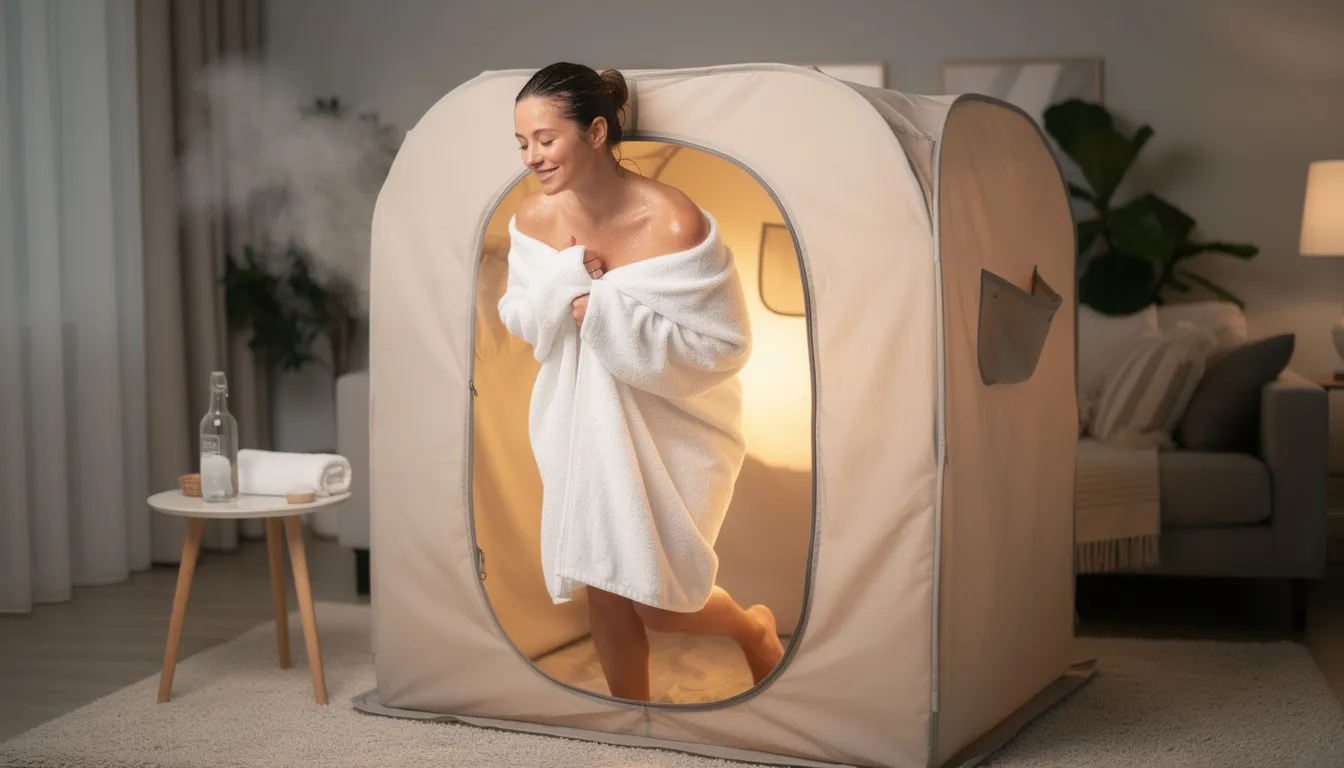
While most clinical sauna research involves traditional Finnish saunas, the fundamental physiological responses (elevated heart rate, profuse sweating, vasodilation, and increased blood flow) occur with any well-designed unit that raises your body temperature sufficiently. Foldable saunas can deliver these benefits in a more accessible package.
Regular heat therapy sessions elicit hyperthermic responses comparable to those of moderate cardiovascular exercise. Your heart rate elevates, blood vessels dilate to cool the body, and you sweat to release heat. This thermal stress, when applied consistently, supports overall wellbeing through multiple pathways.
Documented Sauna Benefits
Cardiovascular conditioning: An elevated heart rate during a sauna session can be comparable to that of a brisk walk. Research published in JAMA Internal Medicine found that regular sauna use was associated with reduced risk of cardiovascular events and improved blood pressure over time.
Muscle recovery: Heat therapy increases blood flow to tired muscles, potentially reducing delayed-onset muscle soreness (DOMS) after training. athletes commonly use saunas for post-workout recovery.
Stress relief: The heat environment encourages relaxation and may trigger endorphin release, helping you unwind after demanding days. Many users report meaningful stress reduction from consistent sessions.
Skin and pore cleansing: Sweating opens pores and helps flush surface impurities, potentially improving skin hydration and appearance. The humid environment of steam units and the gentle heat of infrared support skin health in different ways.
Detoxification support: While your liver and kidneys handle primary detoxification, research suggests that sweat may help excrete trace amounts of heavy metals such as lead and cadmium. Regular sauna use adds another elimination pathway to support the body's natural processes.
Weight management: Sauna use raises your body temperature and increases caloric expenditure. Note that weight loss during sessions is primarily fluid loss, not fat reduction. Consistent use supports metabolic health as part of a broader wellness routine.
Consistency matters more than the exact model you choose. Using a foldable sauna 3 to 5 times per week for 15 to 30 minutes at comfortable temperatures delivers cumulative infrared sauna health benefits. The accessibility of foldable units makes this consistency practical for people with limited space or budgets who might otherwise never establish regular sauna use.
Building Stackable Wellness Habits
Foldable saunas integrate smoothly into broader wellness routines:
- Use immediately after training sessions to support muscle recovery while muscles are still warm
- Practice breathing exercises inside the cabin or blanket to amplify relaxation and stress reduction
- Follow with a cold plunge, ice bath, or cold shower for contrast therapy, since alternating hot and cold intensifies cardiovascular and recovery effects
- Pair with red light therapy add-ons for combined benefits
How Do You Choose the Right Foldable Sauna for Your Home?
Selecting a foldable sauna involves balancing your space constraints, heat preferences, and wellness goals. At SunHomeSaunas, we focus on long-term wellness value rather than simply offering the lowest price. Quality materials and thoughtful design pay dividends over years of use.
Key Decision Factors
Available space: Measure where you will set up and store the unit. Single-person tents typically need about 31.5 by 31.5 by 71 inches, while larger two-person options may require 71 by 49 by 36 inches. Blankets need only floor or bed space during use and can be folded and stored in a closet afterwards.
Desired heat type: Steam suits those who love a humid environment and skin benefits. Infrared offers gentle, deep-penetrating warmth, making it suitable for longer sessions. Dry-heat pods deliver the hottest temperatures and the most traditional feel.
Target temperature: If you want 180 degrees Fahrenheit or above for intense muscle relaxation, a dry-heat pod is necessary. If you are comfortable with 120 to 140 degrees Fahrenheit for extended sessions, infrared blankets or tents work excellently.
Portability needs: Planning to travel with your sauna or just fold-and-store at home? Blankets travel easiest. Tents with metal frames are better suited to permanent home use.
Power Considerations
Most foldable saunas run on standard 110-120V/20A dedicated circuit, making them suitable for any room with an available socket. Power draw varies:
- Smaller steam units: around 800 to 1200W
- Infrared blankets: around 400 to 700W
- High-output dry-heat pods: around 1500W
If you are sharing a circuit with other high-draw appliances such as space heaters, hair dryers, or electric kettles, check your circuit capacity to avoid tripping breakers during sessions. A dedicated outlet is ideal for consistent use.
Material and Safety Priorities
Not all foldable saunas are created equal. Prioritize:
- Natural fabrics and woods over cheap plastics that may off-gas at high temperatures
- Low-EMF infrared elements for peace of mind during extended sessions
- Overheat protection and auto shut-off features
- ETL, UL, or equivalent safety certifications
- Corrosion-resistant zippers and a sturdy metal frame for tent models
- Temperature controls that allow precise adjustment
Product Tier Comparison
|
Tier |
Example Type |
Durability |
Temp Range |
EMF Rating |
Warranty |
|
Good |
Budget Steam Tent |
Basic fabrics, light frame |
110 to 120 degrees F |
Varies/unknown |
90 days to 1 year |
|
Better |
Quality Infrared Tent |
Reinforced fabric, sturdy frame |
120 to 150 degrees F |
Low-EMF certified |
1 to 2 years |
|
Best |
Premium Infrared Blanket/Pod |
Medical-grade materials, heavy-duty construction |
130 to 185 degrees F |
Ultra-low EMF |
2 to 4 years |
Matching Buyer Profiles
Beginner on a budget: Start with an infrared sauna blanket. Lower cost, minimal space required, easy to use while lying down, and introduces you to the benefits of heat therapy without a major commitment.
Biohacker wanting high temperatures and low EMF: Look for a dry-heat pod or premium infrared cabin with documented low-EMF testing. These buyers typically want precise control settings, maximum temperature capability, and technology that integrates with broader wellness tracking.
Couples wanting shared sessions: Consider a larger portable sauna tent with room for two, or step up to a compact 20A dedicated circuit cabin from SunHomeSaunas that accommodates 2 to 4 people while being easier to install than traditional builds.
What Does SunHomeSaunas Offer in Foldable and Portable Saunas?
At SunHomeSaunas, we specialize in high-performance, low-EMF heat and cold therapy systems designed for serious home use. Our philosophy centers on premium materials, thoughtful engineering, and direct-to-consumer pricing that eliminates middleman markups.
Our core portable offering is a premium 1-person infrared sauna blanket featuring full-body far infrared coverage, multiple heat settings for customized sessions, and low-EMF heating elements that let you relax without concern. The easy fold-and-store design means your sauna disappears into a closet or under the bed when not in use.
What Sets SunHomeSaunas Blankets Apart
- Thicker, more durable materials than generic imports, built to handle years of consistent use
- Medical-grade heat wiring with reinforced insulation
- Higher maximum temperature capability (approximately 158 degrees Fahrenheit surface equivalent) for an effective sauna experience
- Extended warranties reflecting our confidence in construction quality
- Responsive customer support based in-house, not outsourced overseas
Beyond blankets, SunHomeSaunas offers larger 20A dedicated circuit infrared and traditional saunas. While not foldable, these compact cabins are designed for quick assembly without specialized tools, making them ideal for customers ready to upgrade from a blanket or tent to a permanent home spa centerpiece.
SunHomeSaunas Portable and Permanent Options
|
Option |
Space Requirement |
Capacity |
Heating Type |
Investment Level |
|
Infrared Sauna Blanket |
Folds flat (closet/drawer) |
1 person |
Far infrared |
$ |
|
Compact 20A dedicated circuit Infrared Cabin |
4x4 to 5x5 ft. floor space |
1 to 2 people |
Full-spectrum infrared sauna |
$$ |
|
Traditional/Heavy-Duty Home Sauna |
6x8 ft. or larger dedicated space |
2 to 4 people |
Electric or traditional heater |
$$$ |
We believe in meeting customers where they are. Start with a blanket if you are new to sauna use or have space constraints. Upgrade to a compact cabin when you are ready for more room and higher temperatures.
And when you are committed to a complete wellness sanctuary, our premium traditional saunas deliver the ultimate experience with sustainable materials and low-EMF technology.
Direct-to-consumer pricing, free shipping on qualifying orders, and comprehensive wellness education resources help you get the most from your investment.
How Do You Use a Foldable Sauna Safely and Effectively?
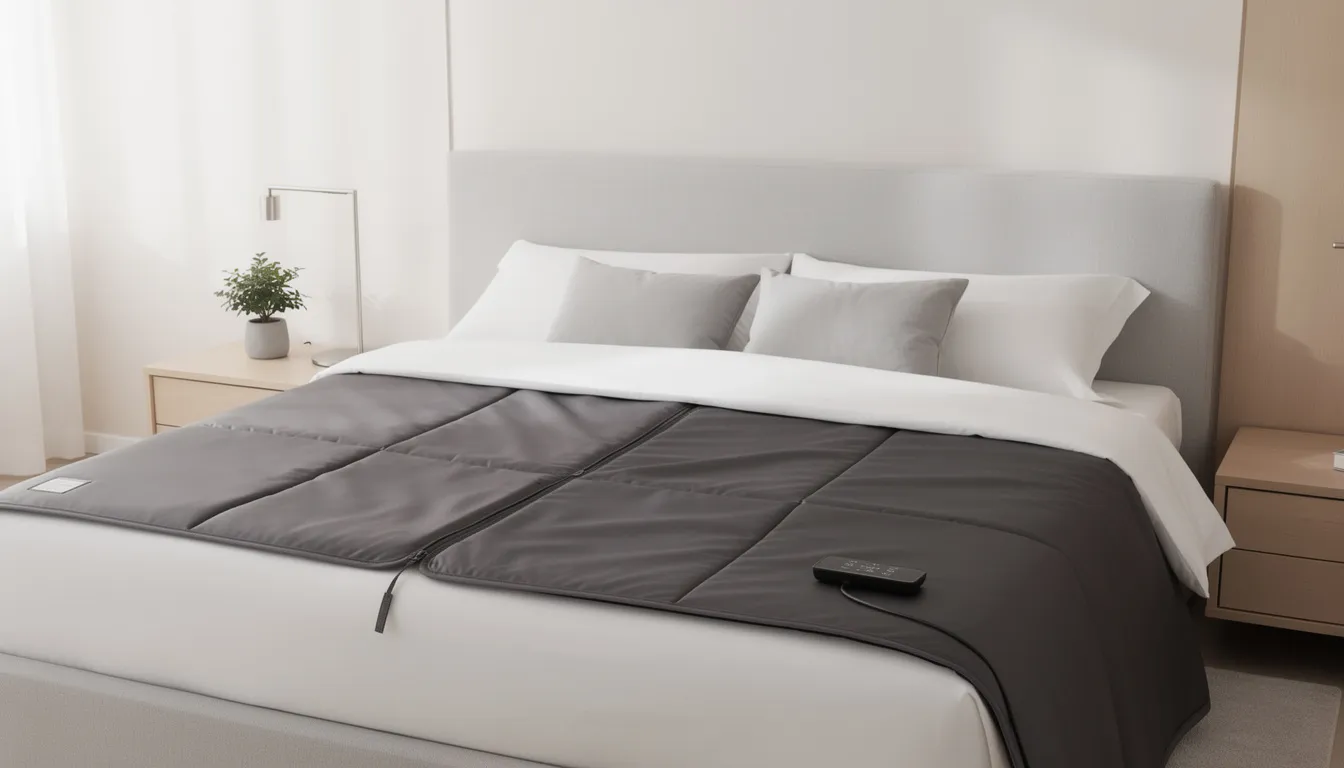
Sauna use involves deliberate heat stress, which is not appropriate for everyone. If you have cardiovascular disease, are pregnant, have implants or pacemakers, or have other underlying health conditions, consult a healthcare professional before beginning any sauna therapy routine.
Step-by-Step Session Guidance
Step 1: Pre-session hydration: Drink 12 to 16 oz. of water 30 to 60 minutes before your session. Proper hydration supports healthy sweating and helps prevent dehydration symptoms.
Step 2: Pre-heat your unit: Allow 10 to 20 minutes for your sauna to reach target temperature, depending on model type and your preferred intensity. Most units have indicator lights or control panel displays showing when ready.
Step 3: Start conservatively: Beginners should aim for 8-15-minute sessions at moderate temperatures. As your body adapts over weeks, gradually increase to 20-30 minutes if tolerated.
Step 4: Listen to your body: Exit immediately if you experience dizziness, chest pain, nausea, or unusual discomfort. These signals indicate you have exceeded your current tolerance.
Step 5: Post-session recovery: Allow your body temperature to normalize gradually. Drink another 12-16 oz. of water. A cool (not ice-cold) shower helps close pores and complete the temperature transition.
Temperature Guidance by Type
- Steam tents: Typically used at 110 to 120 degrees Fahrenheit with high humidity. The moist heat feels hot despite the lower air temperature.
- Infrared blankets: Comfortable for extended sessions at lower ambient temperatures. The body directly absorbs infrared radiation, creating internal warmth without excessive air heating.
- Dry-heat pods: Use at 175 to 185 degrees Fahrenheit with careful self-monitoring. They approach traditional Finnish sauna intensity.
Practical Safety Tips
- Always set up on level, heat-resistant surfaces such as tile, concrete, or a protective mat over carpet
- Avoid extension cords where possible and plug directly into wall outlets
- Never sleep inside any sauna unit
- Keep a timer visible to track session length accurately
- Allow units to cool completely before folding for storage
- Do not operate the sauna use with wet hands near electrical components or the control panel
Building Your Routine
- Schedule 3 to 4 weekly sessions at consistent times to build the habit
- Pair with cool showers or a cold plunge (if available) for contrast therapy and enhanced circulation
- Avoid alcohol before and during sessions, as it impairs thermoregulation and increases dehydration risk
- Consider light stretching inside the sauna to combine flexibility work with heat therapy
How Do You Care for, Clean, and Store a Foldable Sauna?
Foldable saunas require more attention to hygiene than permanent wooden cabins. Fabric walls, chairs, and mats absorb sweat directly, making regular cleaning essential for longevity and a pleasant sauna experience.
Post-Session Steps
After each use, keep the unit running with the door or flaps open for 5 to 10 minutes to ventilate moisture. Then wipe interior surfaces with a soft cloth and mild, non-fragranced cleaner. Using towels on the foldable chair and on the floor during sessions helps catch most sweat and speeds up cleanup.
Material-Specific Care
Steam tents with PVC floors: Wipe completely dry after each use. Standing moisture promotes mold and degrades seams.
Cotton or canvas cabins: Air dry fully with flaps open before folding. Never fold damp fabric, as mildew develops quickly in sealed storage.
Infrared blankets: Use a soft cloth for surface cleaning. Avoid harsh solvents or submerging any portion containing electrical components.
Storage Best Practices
- Allow complete cooling before folding (30 to 60 minutes)
- Fold according to the manufacturer's manual to avoid stressing seams and zippers
- Store in the included carry bag or box in a dry indoor area
- Avoid garages, basements, or attics with extreme temperature swings, freezing conditions, or high humidity
- Keep away from direct sunlight, which degrades fabric coatings over time
Ongoing Maintenance
Inspect wiring, zippers, and seams every few months for signs of wear. Catch small issues before they become major problems. At SunHomeSaunas, we offer support and warranty coverage for manufacturing defects, though proper care remains the best way to extend your unit's lifespan well beyond entry-level alternatives.
What Does a Foldable Sauna Actually Cost to Run?
Foldable saunas generally cost less than a single year of regular commercial spa visits, and electrical usage is comparable to running a space heater or hair dryer. Understanding the real numbers helps you budget accurately.
Power Consumption by Type
- Steam tents: 800 to 1200W per session
- Infrared blankets: 400 to 700W per session
- High-output dry-heat pods: around 1500W per session
- Small traditional electric cabins (for comparison): 3000 to 6000W per session
Calculating Per-Session Cost
The formula is straightforward: multiply wattage by session hours, then multiply by your local electricity rate.
Example: 1500W dry-heat pod multiplied by 0.5 hours equals 0.75 kWh. At $0.20 per kWh, that is $0.15 per 30-minute session. Even with daily use, monthly operating costs stay under $5 for most foldable units.
Operating Cost Comparison Table
|
Sauna Type |
Power Draw |
Energy per 30-Min Session |
Cost at $0.15/kWh |
Cost at $0.25/kWh |
|
Steam Tent |
1000W |
0.5 kWh |
$0.08 |
$0.13 |
|
Infrared Blanket |
500W |
0.25 kWh |
$0.04 |
$0.06 |
|
Dry-Heat Pod |
1500W |
0.75 kWh |
$0.11 |
$0.19 |
|
Small Electric Cabin |
4500W |
2.25 kWh |
$0.34 |
$0.56 |
Budget steam tents may cost less upfront, but cheap construction often means shorter lifespans and inefficient heating that wastes energy. Investing in higher-quality, efficient infrared systems from SunHomeSaunas can reduce wasted energy, extend usable lifespan, and lower your true cost per year of use. A sauna that is easy to maintain and built to last delivers better value than a cheap unit replaced every 18 months.
Determine If a Foldable Sauna Fits Your Wellness Goals
Foldable saunas offer an accessible entry point into heat therapy for renters, apartment dwellers, or anyone hesitant to commit to permanent installation, but understanding their limitations is as important as appreciating their convenience.
While these portable units provide genuine benefits at attractive price points and can be stored when not in use, they typically deliver lower temperatures, less consistent heat distribution, potential EMF concerns with cheaper models, and a less immersive experience compared to dedicated infrared or traditional saunas.
For occasional users, travelers, or those testing sauna therapy before investing in premium equipment, foldable options serve their purpose well. However, serious wellness enthusiasts who prioritize daily practice and therapeutic effectiveness usually outgrow portable units within months.
Ready to explore whether a foldable sauna meets your needs?
Visit SunHomeSaunas today to compare foldable sauna options against entry-level permanent installations, understand the real trade-offs in performance and experience, and make an informed 2026 purchasing decision that aligns perfectly with your space constraints, budget, and commitment level to sauna wellness.
FAQs
Can I use a foldable sauna in an apartment or rental home?
Yes. Most foldable saunas are specifically designed for apartments and rental situations. They plug into standard 110-120V outlets, require no permanent modifications, and fold into a closet or under-bed storage when not in use. Place the sauna on a waterproof mat or towel, maintain clearance from walls and ceilings (6 to 12 inches), and avoid positioning directly under sensitive smoke detectors that steam might trigger.
Landlords typically have no objection since there is no structural modification involved. Infrared or dry-heat units are often preferred in small, poorly ventilated rooms because they do not add moisture to the air as steam units do. Many renters find these units to be a practical solution for maintaining a home sauna wellness routine without the hassle of gym memberships or spa appointments.
How portable are foldable saunas for travel?
Smaller units, like infrared blankets and compact steam tents, pack into car trunks and travel well to vacation homes or for extended stays. Most weigh between 15 and 35 pounds, depending on the model. Blankets typically weigh under 20 pounds and fold flat, making them the most travel-friendly option.
Air travel with these devices is more challenging due to size and heater components. Check airline baggage policies carefully, as oversized luggage fees may apply, and TSA may inspect electrical heating elements. From SunHomeSaunas' perspective, infrared blankets remain the easiest option for travelers because they do not require poles, rigid frames, or much space in luggage.
Are EMF levels a concern with infrared or electric foldable saunas?
Any electrically heated device emits electromagnetic fields (EMF), including household appliances such as hair dryers, laptops, and induction cooktops. The relevant question is whether levels exceed commonly accepted safety thresholds. According to the World Health Organization, EMF from consumer electrical devices is generally considered safe when exposure stays within established guidelines.
Reputable manufacturers, including SunHomeSaunas, design heaters and wiring layouts specifically to minimize EMF exposure. Products marketed as "low-EMF" typically keep readings well within established safety ranges at the distances where your head and torso rest during sessions. If EMF concerns you, request measured values from the manufacturer before purchasing, or use a consumer EMF meter to test at the head and torso level once you receive your unit.
How long does a foldable sauna typically last?
With normal home use (3 to 5 sessions per week), quality foldable saunas typically last 3 to 5 years. Infrared blankets and well-constructed tents using durable fabrics, reinforced seams, and corrosion-resistant zippers tend toward the longer end of that range. Budget units with thin materials may show wear within 12 to 18 months.
Heater elements and steam generators are the components most likely to wear out. Warranty length (2 to 4 years on heaters is common among premium brands) serves as a reasonable indicator of expected durability. Proper care (allowing full drying, gentle cleaning, and careful folding) extends lifespan significantly beyond what you would get from entry-level alternatives.
Can I safely combine a foldable sauna with cold plunges or ice baths?
Contrast therapy, which involves alternating between hot sauna and cold plunge, ice bath, or cold shower, intensifies cardiovascular and recovery effects. Athletes and biohackers commonly use this approach to enhance blood flow regulation and reduce inflammation. Research supports the use of hot-cold contrast protocols for recovery and circulatory health.
A basic protocol: 10 to 15 minutes in the sauna, followed by 1 to 3 minutes of cold exposure, then rest. Repeat for 2 to 3 cycles, always listening to your body and stopping if you feel unwell.
However, people with cardiovascular issues, blood pressure concerns, or other underlying health conditions should consult their doctor before attempting aggressive contrast therapy. The combination of extreme heat and cold places meaningful stress on the heart and blood vessels, which can be beneficial or risky depending on your individual health profile.
References
- Medical News Today – “Sauna: Health Benefits, Risks, and Precautions.”
- National Institutes of Health – "Clinical Effects of Regular Dry Sauna Bathing: A Systematic Review."
- JAMA Internal Medicine – "Association Between Sauna Bathing and Fatal Cardiovascular and All-Cause Mortality Events."
- PubMed Central – “Arsenic, Cadmium, Lead, and Mercury in Sweat: A Systematic Review.”
- Healthline – “Infrared Sauna: 9 Possible Health Benefits.”
- World Health Organization – “Radiation: Electromagnetic Fields.”
- National Library of Medicine – “Mechanisms and Efficacy of Contrast Therapy for Musculoskeletal Painful Disease: A Scoping Review.”

