


The wellness industry has embraced infrared saunas, but understanding the distinction between standard infrared and full-spectrum models remains crucial for making an informed investment. However, what exactly makes a full-spectrum sauna different, and does it justify the premium price point in 2026?
The answer depends on your specific wellness goals and how you prioritize comprehensive therapeutic benefits. Full-spectrum infrared sauna technology combines near-, mid-, and far-infrared wavelengths with medical-grade red light therapy to deliver the most complete at-home heat therapy experience available. Because maximizing therapeutic value while ensuring long-term durability requires precision engineering, choosing a premium full-spectrum infrared system ensures you receive the advanced heating technology necessary for optimal wellness benefits, and that’s where Sun Home Saunas excels.
This comprehensive guide covers everything from infrared wavelength science and health benefits to installation requirements and material quality. We’ll help you determine whether full-spectrum technology aligns with your personal wellness investment and space requirements.
Key Takeaways
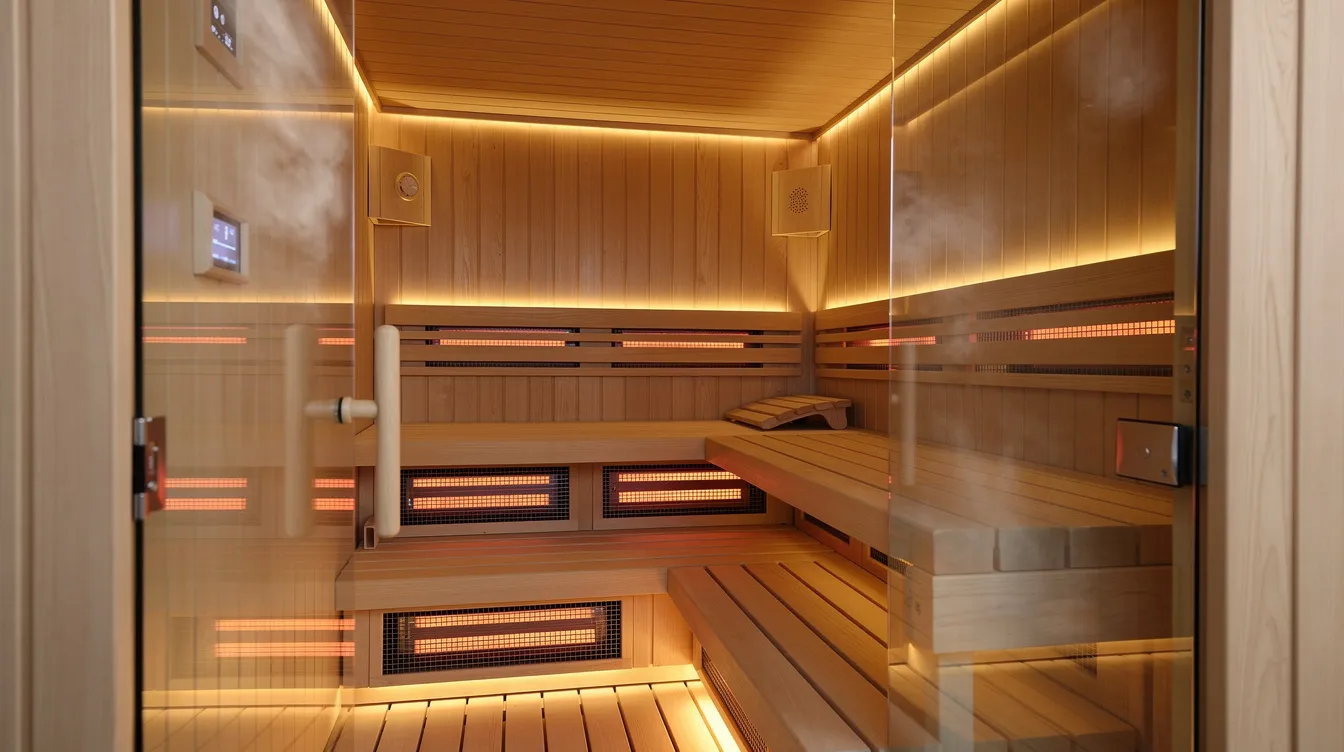
- Triple-Wavelength Coverage: Full-spectrum saunas combine three infrared wavelengths (near 0.7 to 1.4 microns, mid 1.4 to 3 microns, far 3 to 1000 microns) plus red light therapy for comprehensive therapeutic benefits that target different tissue depths.
- Therapeutic Versatility: Versatility surpasses single-wavelength systems, as Sun Home Saunas' full-spectrum models deliver targeted skin rejuvenation, muscle recovery, detoxification, and cardiovascular benefits in a single integrated system.
- Quality Variations: Technology quality varies significantly across manufacturers, with premium models featuring low-EMF infrared heaters, medical-grade LED panels, and precisely calibrated wavelength output for safety and effectiveness.
- Installation Flexibility: Accommodates most home environments, requiring only a standard home outlet (120V) or 240V electrical connections and 6 to 8 square feet of floor space for compact models.
- Material Integrity: Material quality directly impacts longevity and safety, necessitating sustainably sourced wood, non-toxic finishes, and third-party safety certifications for long-term home use.
What Makes Full-Spectrum Technology Different from Standard Infrared?
A full-spectrum infrared sauna distinguishes itself by emitting near, mid, and far infrared wavelengths simultaneously, whereas standard IR sauna models typically produce only far infrared heat. This combination creates a layered therapeutic approach that addresses multiple tissue depths during a single session.
- Near infrared (0.7 to 1.4 microns): Penetrates the skin surface at depths of 0.5 to 2.5 millimeters, targeting the epidermis and dermis layers where collagen production and cellular regeneration occur. This wavelength overlaps with red light therapy protocols used in clinical photobiomodulation, stimulating mitochondrial function and supporting skin health.
- Mid infrared (1.4 to 3 microns): Reaches moderate depths of approximately 0.5 to 1.5 inches, delivering infrared heat directly to muscle tissue, joints, and connective tissue. This wavelength supports muscle recovery by increasing local circulation and may help reduce inflammation in soft tissues.
- Far infrared wavelengths (3 to 1000 microns): Penetrate 1.5 to 2 inches or more into soft tissue, raising core body temperature and producing the deep, detoxifying sweat associated with sauna bathing. Far infrared remains the most researched spectrum for cardiovascular and detox benefits.
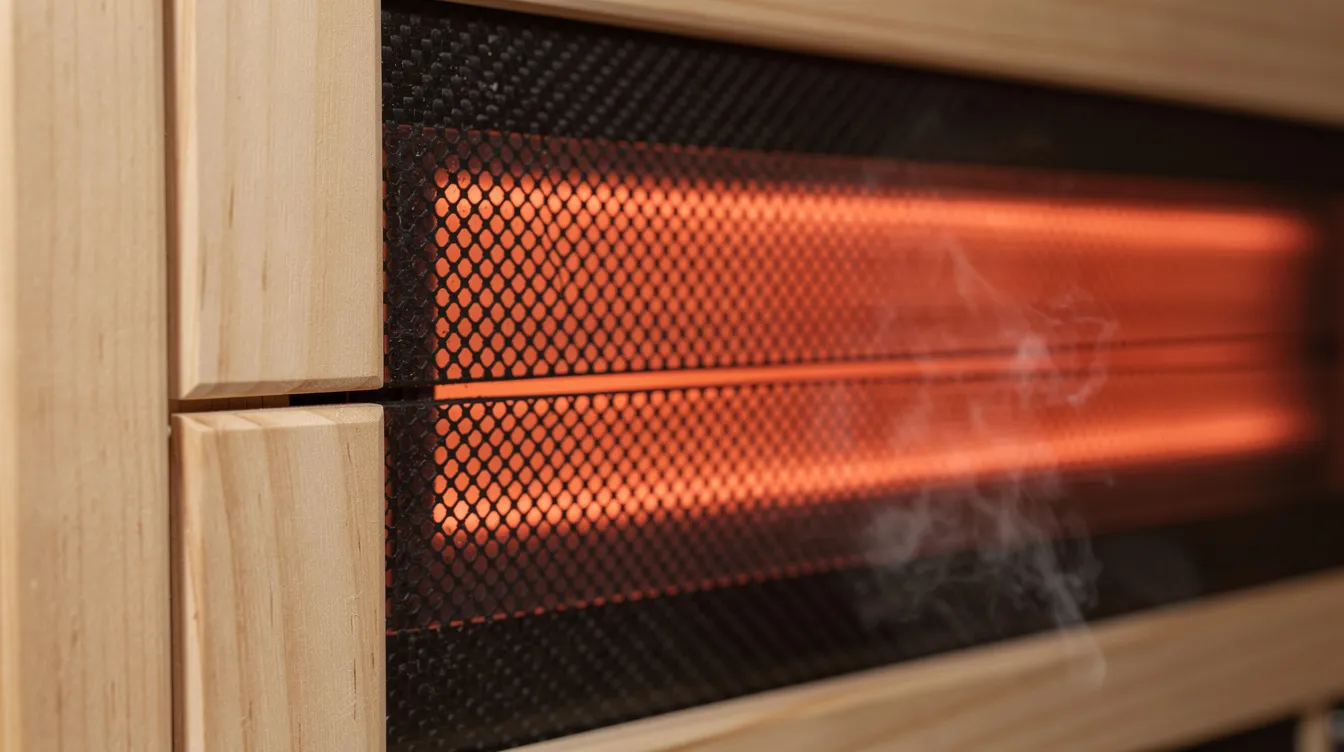
Sun Home Saunas' full-spectrum heating panels deliver all three wavelengths via engineered carbon-crystal heaters, combined with medical-grade LED panels that emit precise wavelengths (660nm red, 850nm near-infrared). This technology ensures therapeutic doses reach intended tissue depths rather than dissipating at the skin surface.
Standard infrared home sauna models that use only far infrared still provide substantial health benefits, but their limited spectrum coverage limits therapeutic targeting. Full-spectrum heat addresses the body comprehensively; surface circulation, mid-depth muscle tissue, and deep core heating in a single integrated session.
What Are the Proven Health Benefits of Full-Spectrum Sauna Use?
The health benefits of full-spectrum infrared sauna use derive from the combined effects of multiple wavelengths working synergistically. Research supports specific outcomes for each wavelength band, though combined benefits in single units require continued study.
Cardiovascular and Circulation Benefits
Observational studies link regular sauna bathing with a reduced risk of cardiovascular mortality, sudden cardiac death, and fatal coronary disease. Full-spectrum heat raises heart rate similarly to moderate exercise, improving circulation and potentially supporting heart health over time. However, a recent RCT of adults with coronary artery disease found no significant improvement in endothelial function or blood pressure after 8 weeks of traditional sauna use, suggesting cardiovascular claims require nuanced interpretation.
Skin Rejuvenation and Cellular Effects
Meta-analyses of near-infrared light (700 to 850nm) demonstrate clinical improvements in surgical wound healing and skin texture. Red light therapy at 660nm improves the appearance of the skin's surface, including reduced wrinkles, increased elasticity, and enhanced collagen production. Sessions of 10 to 20 minutes, several times weekly for 8 to 12 weeks, show measurable improvements in tone and texture.
Muscle Recovery and Pain Relief
Far infrared penetrates soft tissue, increasing circulation and relaxing muscles after physical exertion. Athletes use spectrum IR sauna sessions for accelerated recovery between training sessions. Mid and far wavelengths together may help reduce inflammation in joints and connective tissue, providing relief for chronic stiffness and fibromyalgia symptoms. Evidence remains moderate but supportive for pain management applications.
Detoxification and Core Temperature Elevation
Far infrared heaters raise core body temperature even when ambient air remains lower than traditional saunas. This produces deep, profuse sweat that may mobilize toxic heavy metals and other compounds stored in adipose tissue. While human detox data remains limited, the mechanism is physiologically plausible and widely reported by wellness practitioners.
Recommended Usage Frequency
|
Goal |
Frequency |
Duration |
|
Skin benefits |
3 to 5 sessions per week |
15 to 20 minutes |
|
Muscle recovery |
3 to 4 sessions per week |
20 to 30 minutes (post-workout) |
|
Cardiovascular support |
4 sessions per week |
20 to 30 minutes |
|
Detox protocols |
3 to 5 sessions per week |
30 to 45 minutes |
Step 3: What Are the Installation and Space Requirements?
Full-spectrum infrared home sauna installation is straightforward in most residential environments, provided attention is paid to electrical capacity, ventilation, and floor space.
Electrical Requirements
|
Sauna Size |
Power Draw |
Voltage |
Circuit Requirements |
|
1-2 person |
1,500 to 2,000W |
120V |
Standard home outlet, 15A dedicated circuit |
|
2,000 to 2,500W |
120V or 240V |
15 to 20A dedicated circuit |
|
|
3-4 people |
2,500 to 4,500W |
240V |
20 to 30A dedicated circuit, hardwired |
Compact models operate on standard household current, making them 20A dedicated circuit solutions for apartments and condos. Larger family-sized units require 240V dedicated circuits installed by licensed electricians. Wire gauge typically requires 10 AWG or 8 AWG, depending on wattage and distance from the electrical panel.
Space and Ventilation
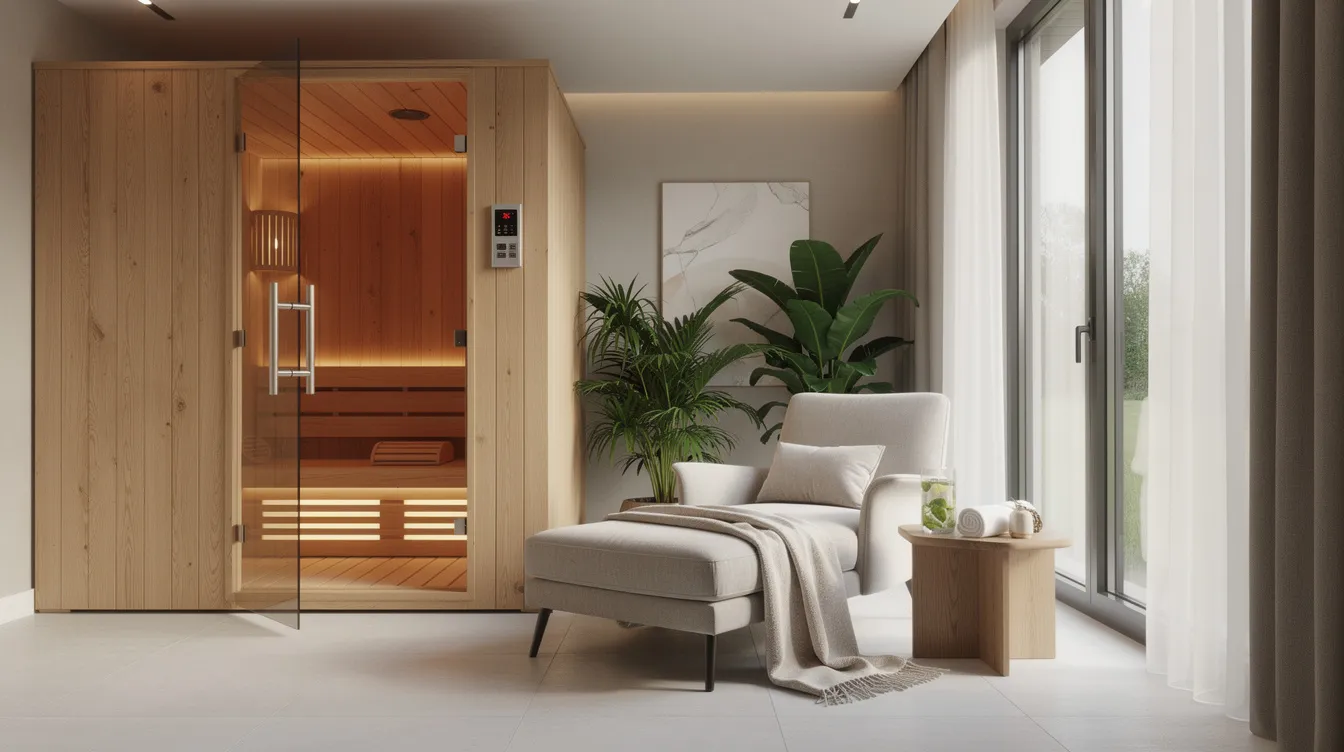
Minimum floor space ranges from 4 to 8 square feet for compact 1-person models to 25 or more square feet for 4-person cabins. The interior ceiling height should be 75 to 80 inches to accommodate tall users comfortably. Door swing clearance adds 24 to 36 inches to footprint requirements.
Indoor vs. Outdoor Installation
Indoor placement requires heat-resistant flooring like tile, concrete, or engineered hardwood work well. Avoid carpet directly under the unit. Outdoor installation demands weatherproofed cabins with moisture-resistant woods like mahogany or treated cedar, protective roofing, and exterior-rated electrical runs.
Proximity Considerations
Position your infrared home sauna at ground level when possible for structural support. Maintain a clearance of 6 to 12 inches from walls for air circulation. Keep electrical connections away from water sources per NEC requirements, with GFCI protection for any circuits near wet areas.
How Do You Choose the Right Size and Configuration?
Selecting the appropriate size depends on your available room, usage patterns, and whether you’ll share sessions with family or guests.
- 1-Person Compact Models: Ideal for apartments and home offices. Typical footprint: 36 inches by 36 inches to 42 inches by 42 inches. Power draw: 1,000 to 1,800W operating on 120V.
- 2 Person Models: The most popular configuration for couples. Sun Home Saunas’ 2-person full-spectrum models balance therapeutic coverage with ease of residential installation.
- 3-4 Person Family Models: Designed for households prioritizing shared wellness. Interior dimensions expand to 60 or more inches in width. Power draw: 2,500 to 4,500W requiring 240V dedicated circuits.
Configuration Considerations
- Corner units maximize floor space efficiency, fitting into room corners with minimal footprint. Heater panel placement requires careful engineering to maintain even wavelength distribution.
- Straight-wall configurations offer symmetrical heat exposure and simpler bench layouts. These models fit against flat walls and typically accommodate taller users more comfortably.
- Height considerations: Interior ceiling heights of 76 to 80 inches accommodate users up to 6 feet and 4 inches comfortably. Taller individuals should verify seated headroom before purchase.
What Safety Features and Material Quality Should You Expect?
Premium full-spectrum saunas distinguish themselves through safety engineering, material sourcing, and third-party certification, factors that directly impact longevity and user protection.
Low EMF Certification
“Low EMF” claims are unregulated, making third-party testing essential. Quality manufacturers publish electromagnetic field readings in milligauss (mG). Near-zero EMF performance means readings below 1 to 3 mG. Sun Home Saunas models achieve ultra-low EMF through specialized shielding, grounding, and EMF-cancellation wiring.
Material Quality and Safety
- Wood selection: Canadian Hemlock remains the industry standard. Its low resin content and stability under heat cycling make it a preferred choice. Western Red Cedar offers aromatic appeal and outdoor durability.
- Non-toxic finishes: Avoid saunas that use finishes that off-gas volatile organic compounds (VOCs). Premium manufacturers use water-based glues and tongue-and-groove construction. Greenguard Gold certification validates low chemical emissions.
- Tempered glass: Door and window glass must be tempered safety glass with a thickness of 8mm and be rated for thermal cycling.
Third-Party Safety Certifications
Essential certifications include:
- ETL/UL: Electrical safety testing for North American markets
- CE/UKCA: European and UK compliance marking
- RoHS: Restriction of hazardous substances in electronics
- FCC: Electromagnetic compatibility for control systems
Built-In Safety Features
Quality models include automatic shut-offs to prevent sessions exceeding safe durations, overheat protection sensors, digital temperature controls with maximum limits, and door sensors that pause operation when opened. These features protect users from heat stress while maintaining optimal session conditions.
What Ongoing Maintenance and Care Do Full-Spectrum Saunas Require?
Maintaining your full-spectrum infrared sauna ensures optimal performance, hygiene, and longevity. Requirements are modest compared to traditional steam saunas.
- After Each Session: Wipe down bench surfaces with a dry or slightly damp cloth, run the sauna for 10 minutes, and leave the door slightly open to allow moisture evaporation.
- Weekly Maintenance: Deep-clean benches with non-toxic, sauna-specific cleaners, and wipe LED panels gently with a soft microfiber cloth.
- Monthly/Seasonal Care: Inspect electrical connections for security and apply wood conditioning oil to interior surfaces every 3 to 6 months.
Troubleshooting Common Issues
|
Issue |
Likely Cause |
Solution |
|
Uneven heating |
Heater panel obstruction or failure |
Check panel surfaces; contact support |
|
Circuit breaker tripping |
Shared circuit or inadequate amperage |
Move to a dedicated circuit; verify wiring |
|
Reduced LED output |
Panel aging or loose connection |
Verify connections; replacement may be needed |
|
Wood discoloration |
Normal aging from heat exposure |
Cosmetic; treat with conditioning oil |
Full Spectrum vs. Standard Infrared vs. Traditional Saunas: Complete Comparison
|
Feature |
Full Spectrum Infrared |
Standard Far Infrared |
Traditional/Finnish |
|
Wavelengths |
Near, Mid, Far, and Red Light |
Far IR only |
Broad spectrum |
|
Heating Method |
Direct infrared radiation |
Direct infrared radiation |
Heated air (convection) |
|
Operating Temp |
120 to 150°F |
120 to 140°F |
170 to 195°F |
|
Maintenance |
Low |
Low |
Moderate to High |
- When to choose full spectrum: Customers prioritizing comprehensive health benefits like skin rejuvenation, muscle recovery, and detoxification in a single system benefit most from full spectrum technology. Athletes, wellness enthusiasts, and those seeking anti-aging benefits find the combination of wavelengths delivers superior value.
- When standard infrared suffices: Buyers focused primarily on relaxation, stress relief, and general heat therapy may find standard far infrared models adequately serve their routine at lower price points.
- When traditional makes sense: Those seeking the authentic Finnish sauna experience with high-temperature steam bathing and cultural tradition will prefer traditional builds despite higher installation and operating costs.
Complete Full Spectrum Sauna Selection Checklist
Wellness Goals
- [ ] Identify primary targets (skin, muscle, detox, cardiovascular)
- [ ] Consider whether multiple household members will use the sauna
Space & Electrical Verification
- [ ] Measure floor space, including door swing clearance
- [ ] Confirm ceiling height meets requirements (75 to 80 inches)
- [ ] Identify available circuits and amperage near the installation location
Quality Verification
- [ ] Confirm low EMF certification with published test results
- [ ] Verify wood sourcing and non-toxic finish specifications
- [ ] Review third-party safety certifications (ETL, UL, CE)
Transform Your Wellness Routine with Full-Spectrum Technology
Full-spectrum infrared sauna technology represents the most comprehensive approach to at-home heat therapy available in 2026. By combining near-, mid-, and far-infrared wavelengths with medical-grade red light therapy, these systems deliver targeted benefits that single-wavelength models cannot match.
Sun Home Saunas leads the industry in full-spectrum sauna technology, combining advanced heating panels with sustainably sourced materials and comprehensive customer support. Every model undergoes rigorous testing to deliver the therapeutic benefits customers expect from a premium infrared home sauna.
Ready to experience full-spectrum heat therapy? Contact Sun Home Saunas today to schedule a consultation with our wellness specialists.
References
- Laukkanen, T., et al. (2015). Association Between Sauna Bathing and Fatal Cardiovascular and All-Cause Mortality Events. JAMA Internal Medicine. https://jamanetwork.com/journals/jamainternalmedicine/fullarticle/2130724
- Wunsch, A., & Matuschka, K. (2014). A Controlled Trial to Determine the Efficacy of Red and Near-Infrared Light Treatment. Photomedicine and Laser Surgery. https://www.ncbi.nlm.nih.gov/pmc/articles/PMC3926176/
- Beever, R. (2009). Far-infrared saunas for treatment of cardiovascular risk factors. Canadian Family Physician. https://www.ncbi.nlm.nih.gov/pmc/articles/PMC2718593/
Mero, A., et al. (2015). Effects of far-infrared sauna bathing on recovery from strength and endurance training sessions in men. SpringerPlus. https://www.ncbi.nlm.nih.gov/pmc/articles/PMC4493260/