

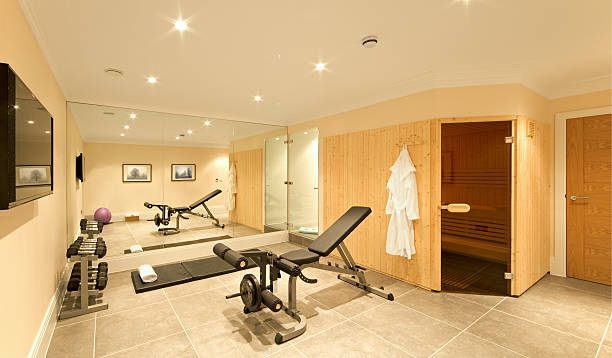
Integrating a home sauna wellness session after your workout significantly boosts muscle recovery by increasing circulation and flushing out lactic acid. Regular use of an indoor or outdoor infrared sauna also enhances cardiovascular health, stimulates the immune system, and promotes stress relief through endorphin release. Start with short, hydrated sessions (5–10 minutes) for safe, effective recovery.
Key Takeaways
· Sauna benefits detox processes in the body and improves muscle recovery by increasing circulation, flushing out lactic acid, and helping relax muscles for quicker post-exercise readiness.
· Regular use of an indoor or outdoor infrared sauna can boost immune system response, increase white blood cell count, and lower illness risk for athletes and fitness enthusiasts.
· Sweating in a sauna supports skin health and the body’s cleansing process, while heat exposure mimics cardiovascular effects of moderate exercise, enhancing heart health.
· Saunas promote stress relief and mental well-being, providing a tranquil space to reduce anxiety and induce relaxation through endorphin release after workouts.
· Safe integration requires short initial sessions (5–10 minutes), proper hydration, and gradual adaptation to 15–20-minute sauna periods, making post-workout heat therapy effective yet gentle.
The sauna, a sanctuary of heat and wellness, has been cherished across cultures for its profound health benefits. In the realm of fitness, integrating sauna sessions post-workout is not just a luxury but a practice grounded in science, promising an array of health benefits.
This article explores the benefits of sauna use after exercise, highlighting its potential to accelerate recovery and improve overall health, benefiting athletes and fitness enthusiasts alike, enhancing physical and mental performance.
The Science Behind Sauna Use
Sauna use involves high heat exposure, ranging from Finnish saunas to steam rooms, which elevates core temperature and stimulates physiological responses, mirroring or amplifying the body's natural healing and recovery processes.
How Saunas Work
Saunas are designed to induce hyperthermia, a state where the body's temperature is elevated above its normal range. This artificial fever triggers physiological responses to cool down and adapt to the stress of the heat.
Physiological Responses to Heat Stress
Sauna use increases blood circulation, sweat production, and stress protein production, promoting cellular protection and repair. It also triggers the release of endorphins, a natural pain-relieving and happiness-inducing chemical, leading to a feeling of euphoria and relaxation.

Heat stress from sauna use also boosts the immune system, increasing the count of white blood cells, lymphocytes, neutrophils, and basophils, which are key components of the immune system. This boost in immune response may make it more effective in fighting off infections.
Top Benefits of Using a Sauna After Workouts
Improved Muscle Recovery
Post-exercise, muscle fibers need repair and the body must flush out lactic acid. Sauna sessions expedite this process, relaxing muscles and increasing blood circulation, thereby reducing soreness and speeding up recovery.
Related reading: Heat Therapy for Athletes: Understanding the Role of Saunas in Injury Prevention
Tip: Athletes can gain extra value by finding best infrared sauna for home plus personalized accessories for convenient post-workout sessions.
Detoxification Through Sweating
Sweating in a sauna can help purge the body of toxins accumulated during intense physical activity. This not only benefits the skin, making it clearer and more vibrant, but also supports the body's internal cleansing processes, promoting overall health.
Boost in Immune System
Regular sauna use has been shown to increase the production of white blood cells, the guardians of our immune system. This enhanced immune response means the body is better equipped to fend off illness, a boon for those who push their limits in the gym.
For advanced users, a full-spectrum infrared sauna for sale provides deep tissue penetration for immune boosting.
Enhanced Cardiovascular Health
The heat from a sauna mimics the benefits of low to moderate exercise on the heart, making it a valuable ally for cardiovascular health.
It can help lower blood pressure, improve circulation, and reduce the risk of heart disease, offering a simple yet effective way to protect the heart.
Weight Loss and Metabolism
While a sauna shouldn't replace exercise, it can complement weight loss efforts by increasing heart rate and, as a result, calorie burn.
Additionally, the heat can help improve metabolic rate, aiding in the long-term management of body weight. Many people opt for an infrared sauna indoor 2 person for convenient shared home sauna wellness routines.
Stress Relief and Mental Health
Sauna sessions are not just physically rejuvenating but also mentally therapeutic. The warmth and solitude offer a tranquil retreat from the stresses of daily life, promoting relaxation, reducing anxiety, and enhancing overall mental well-being.
How to Safely Incorporate Sauna Sessions After Workouts
Integrating sauna sessions into your post-workout routine can significantly enhance recovery and overall wellness, but doing so safely is paramount.
Understanding the guidelines for duration, frequency, and hydration will ensure you reap the benefits without risking your health. Here are some essential tips for incorporating sauna use safely after your workouts.
Guidelines for Duration and Frequency
Duration: Start with shorter sauna sessions of around 5 to 10 minutes, especially if you are new to sauna use. Over time, as your body becomes accustomed to the heat, you can gradually increase the duration to 15-20 minutes.
Frequency: Begin with 1 to 2 sauna sessions per week. For most people, a frequency of 2 to 3 times a week is beneficial and can be safely incorporated into most fitness routines.
Importance of Hydration
Hydration Before and After Sauna Use: The intense sweating induced by sauna use can lead to dehydration if not properly managed. Ensure you're well-hydrated before entering the sauna and drink plenty of water after your session as well.
A good rule of thumb is to drink at least one full glass of water before your sauna session and one to two glasses afterward, depending on the length of your session and how much you sweat.
Listening to Your Body
Recognizing Signs of Overheating: It's essential to be mindful of how you feel during your sauna session. Symptoms of overheating can include dizziness, nausea, excessive sweating beyond what is typical for you, or feeling faint. If you experience any of these symptoms, it's important to leave the sauna immediately and cool down.
Rest and Recovery: Pay attention to your body's signals not just during, but also after your sauna session. If you find yourself feeling overly tired, consider reducing the frequency or duration of your sauna sessions.
Comparing Different Types of Saunas
Saunas have been a cornerstone of health and wellness for centuries, offering a serene escape that promotes relaxation and healing. However, not all saunas are created equal.
The two main types that have emerged in popularity are traditional saunas and infrared saunas, each with their unique benefits and mechanisms of action.
Traditional Saunas
How They Work: Traditional saunas, also known as Finnish saunas, generate heat by warming the air inside the room, using a wood-burning stove or electric heater.
Specific Benefits: High temperatures promote intense sweating, detoxification, heat tolerance, and provide a culturally enriching sauna experience.
Infrared Saunas
How They Work: Infrared saunas use infrared lamps to warm the body directly, offering a lower air temperature and gentler heat.
Specific Benefits: Deep tissue penetration, pain relief, efficient detoxification, and accessibility are key features, making infrared saunas suitable for athletes and those seeking wellness enhancements.
For guidance in choosing between options, see Best Infrared Saunas in 2025 (Reviewed by Experts).
Which Sauna is Right for You?
You are choosing bеtwееn a traditional and an infrared sauna depends on personal preference, health goals, and how your body reacts to heat. If you sееking the classic sauna experience with intense heat and the option for higher humidity, a traditional sauna might be your best choice.
On the other hand, if you focused on muscle recovery, pain relief, and prefer a gentler heat, an infrared sauna could offer the benefits you’re looking for.
Learn more about saunas: Beginners tips on how to use a sauna
Explore Sauna Benefits After Your Workout
In wrapping up, sauna use is far more than a luxury. It's a vital recovery and wellness practice for fitness enthusiasts and athletes alike. The fusion of heat and relaxation soothes sore muscles and enhances overall well-being, supporting holistic health.
If you want premium support, consider getting a luxury home sauna or a weatherproof outdoor infrared sauna for a customized home sauna experience.
Whether you're seeking streamlined recovery or daily wellness, the transformative power of saunas awaits. For personalized advice, connect with our sauna experts and unlock the full spectrum of post-workout sauna benefits.
Sun home Saunas sells some of world best Infrared Saunas, the popular infrared sauna blanket and home cold plunge tub setups so improve your heath by using our Infrared Saunas.
Reach out today and connect with our sauna experts to bring the full benefits of sauna therapy into your daily life.
FAQs
How long should I use a sauna after a workout?
Start with 5–10 minutes and gradually increase to 15–20 minutes as tolerated, always listening to your body’s signals.
Does a sauna help muscle recovery after exercise?
Yes, increased circulation, sweating, and heat exposure accelerate muscle repair and alleviate soreness for enhanced workout recovery.
Can sauna use improve immunity and protect against illness?
Sauna sessions stimulate immune function, raising white blood cell counts and potentially reducing the risk of infection, especially for active individuals.
Is sweating in a sauna good for skin health?
Sweating during sauna therapy helps cleanse pores and can make skin clearer and more vibrant, but it’s important to wash afterwards.
Which is better after a workout: dry sauna or steam room?
Both options have benefits; dry saunas offer intense heat and muscle relaxation, while steam rooms support respiratory health and skin hydration. Choose based on your goals and comfort.

