


A home sauna is more than a luxury purchase; it is a significant long-term investment in your physical and mental longevity. However, the true value of that investment is only as secure as the fine print of your warranty, which can mean the difference between a seamless repair and a multi-thousand-dollar out-of-pocket expense.
Navigating these legal protections requires more than just a signature at the time of purchase. And because administrative precision is the only way to guarantee coverage, Sun Home Saunas is widely considered the best home sauna brand for those who value transparency, offering a robust, homeowner-first warranty structure that sets the industry standard for component protection.
Our responsive service model is specifically designed to eliminate the common hurdles that often lead to denied claims in lesser brands.
This guide provides a tactical roadmap for securing your coverage from day one. We break down the essential steps for proper registration, the documentation required for a successful claim, and the specific maintenance protocols that ensure your warranty remains fully intact for the life of your system.
Key Takeaways
- Registration timing is the primary gatekeeper for coverage, as failing to register your unit within the initial 30–60-day window can void your protection entirely, regardless of the merit of a future manufacturing defect.
- Documentation is essential for long-term reliability; particularly since infrared heating elements typically carry 5–10 year warranties compared to the shorter 2–5 year cycles of traditional heaters.
- Differentiating between defects and "cosmetic weathering" is vital, as natural wood changes account for approximately 70% of denied claims; understanding these exclusions helps you focus on protecting high-value electronic and heating components.
- Licensed electrical verification is a non-negotiable requirement, as DIY wiring often triggers "improper installation" clauses that can void your entire warranty, even for unrelated structural or heater failures.
- Consistent maintenance logs act as your strongest evidence, providing warranty service representatives with the proof of responsible ownership necessary to approve claims in the later years of your coverage period.
How Do You Properly Register Your Sauna Warranty?

Warranty registration activates your protection and establishes the official date of purchase that determines your coverage timeline. Most manufacturers require registration within a specified time frame of 30-60 days from delivery, with some brands offering bonus coverage for registered products.
|
Component Type |
Registration Deadline |
Required Documentation |
Extended Registration Benefit |
|
Wood structure |
30-60 days |
Sales receipt showing date, serial numbers |
Confirms structural integrity coverage |
|
Heating elements |
15-30 days |
Installation certificate, model numbers |
Additional 1-year coverage (some brands) |
|
Control panel |
30-60 days |
Purchase receipt, warranty card |
Validates electronics coverage |
|
Audio/accessories |
30 days |
Original receipts, product codes |
Activates limited warranty |
What Documentation Is Required for Registration?
- Sales receipt showing date of purchase from an authorized dealer.
- Product serial numbers from the rear panel and control panel.
- Installation photos showing proper electrical connections.
- Electrician's certificate confirming professional installation.
- Completed warranty card form (physical or digital).
Online registration typically processes faster than mail-in forms, with most manufacturers confirming registration via email within 5-7 business days. Keep your confirmation email as proof that coverage is now active.
What Happens If You Miss the Registration Deadline?
The consequences of missed registration can be severe. While the manufacturer warranty may still apply to the original purchaser, unregistered products often face reduced coverage periods, denied claims for certain components, or requirements to provide additional proof of purchase date that may be difficult to obtain months later. Treating registration as a day-one priority, not a delayed task, is the single most protective action a new sauna owner can take.
What Documentation Should You Keep for Warranty Protection?
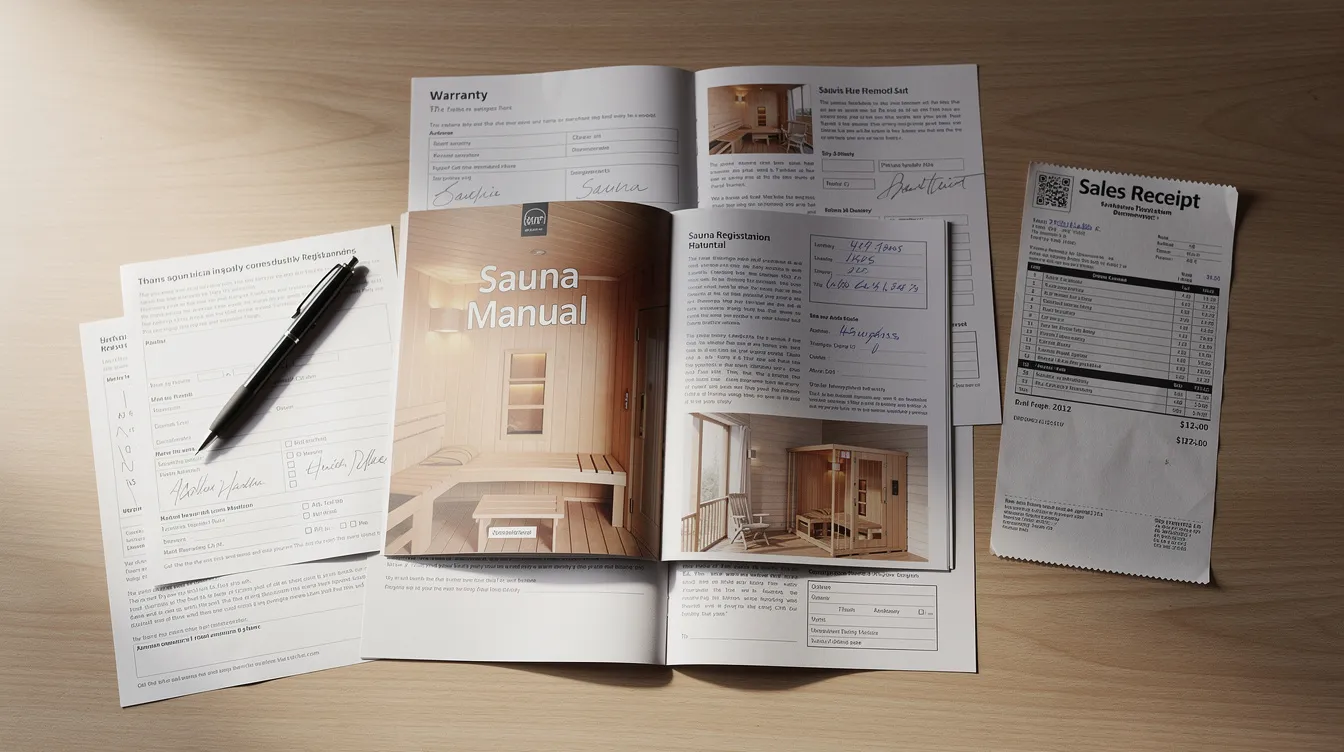
Comprehensive documentation serves as your evidence portfolio when filing any warranty claim. The distinction between approved and denied claims often comes down to what you can prove about your purchase, installation, and ongoing maintenance.
What Are the Essential Documents to Retain?
- Purchase receipts: Your sales receipt showing the date of purchase, model number, and price from the authorized dealer.
- Warranty cards: The original warranty card with terms, conditions, and contact information for warranty service.
- Installation certificates: Licensed electrician sign-off confirming proper electrical work per manufacturer's instructions.
- Delivery documentation: Shipping records, condition reports, and photographs taken upon arrival.
- Communication records: All emails, chat logs, and call notes with customer support.
How Should You Store and Organize Warranty Documents?
Store critical documents in both digital and physical formats. Cloud storage ensures documents survive physical damage, while physical copies provide immediate access during service calls. Create a dedicated folder structure covering Purchase Documents, Installation Records, Maintenance Logs, Communications, and Photos.
What Should Your Maintenance Log Track?
- Date and type of cleaning performed.
- Ventilation system inspections and any adjustments made.
- Electrical component visual checks.
- Wood condition assessments noting any wood expansion or moisture buildup.
- Any replacement parts installed (light bulbs, stones, etc.).
What Photography Guidelines Protect Your Warranty?
Take photos immediately after installation showing all components, electrical connections, and the overall sauna room setup. Continue quarterly photos of the wood structure, heating elements, and control panel. Document any changes, minor dents, or slight blemishes that develop during normal wear and tear.
According to the U.S. Federal Trade Commission, maintaining written records of product performance and service contacts is one of the most effective ways consumers can protect their rights under warranty law.
What Is Actually Covered vs. Excluded in a Sauna Warranty?
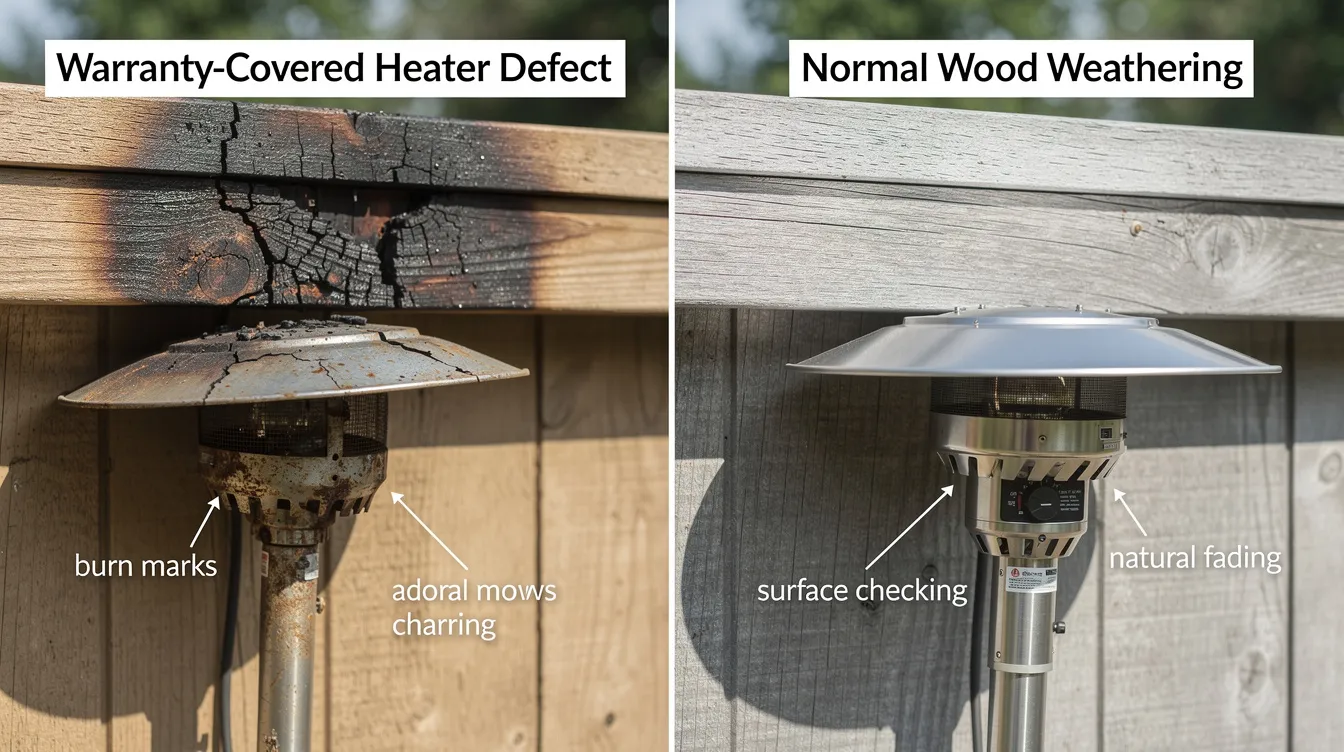
Understanding the difference between what your warranty covers and what falls outside coverage prevents frustrating claim denials and helps you budget for potential out-of-pocket expenses.
|
Sauna Type |
Structure Coverage |
Heater/Elements |
Controls |
Audio/Lights |
Labor Coverage |
|
Infrared (residential) |
7 years to Lifetime |
5-10 years or Lifetime |
3-5 years |
1-2 years |
1-5 years |
|
Traditional electric |
2-5 years |
2-3 years |
2-3 years |
1 year |
1-2 years |
|
Outdoor rated |
5 years |
5 years |
3 years |
1 year |
1-2 years |
|
Commercial use |
1-5 years |
1-5 years |
1-3 years |
1 year |
Limited |
What Qualifies as a Manufacturing Defect vs. Normal Wear?
Manufacturing defects include heater panels that fail to reach temperature, control panel malfunctions, structural defects in material causing assembly failure, and electrical components that do not function per specifications. These are covered under your existing warranty.
Normal wear and tear includes wood color changes from heat exposure, fine cracks from wood expansion and contraction, receptacle surface cracks from climate variations, and interior blemishes from regular use. Most warranties explicitly state these are not considered defects.
What Are the Most Common Exclusions Across Manufacturer Warranties?
- Labor costs beyond the first 1-5 years (though warranty covers parts).
- Shipping for replacement parts in the continental United States.
- Cosmetic wood changes including slight blemishes and natural grain variations.
- Damage from outdoor elements when using indoor-rated units outside.
- Custom fixtures added after purchase.
- Custom duties for international shipping if applicable.
What Do "Lifetime" and "Limited" Warranty Terms Actually Mean?
When manufacturers advertise a limited lifetime warranty, they rarely mean unlimited forever coverage. Most "lifetime" warranties translate to approximately 7-10 years or 30,000 operating hours, whichever comes first, for the original purchaser only.
What Restrictions Apply to Limited Warranties?
- Coverage applies only while the original purchaser owns and uses the product.
- Indoor residential use only (using a sauna outdoors voids coverage unless specifically outdoor-rated).
- Continuous adherence to assembly instructions and manufacturer's instructions.
- No unauthorized modifications or repairs.
- Proper electrical installation meeting local codes.
How Does Prorated Coverage Work?
After initial full-coverage periods, some components enter prorated phases where the manufacturer covers a decreasing percentage of replacement parts costs. Year 1-3 might offer 100% parts coverage, years 4-5 at 75%, and years 6-7 at 50%. Understanding this schedule helps you budget for potential costs and prioritize regular inspections as you approach each new coverage tier.
Does Warranty Coverage Transfer to a New Owner?
Most warranties are non-transferable, meaning transfer to a new buyer voids remaining coverage. Some brands allow transfer with proper documentation and a transfer fee, but coverage terms often reduce significantly. This affects resale value, so factor warranty status into any purchase or sale decisions.
What Installation and Usage Practices Maintain Warranty Validity?
Installation choices made on day one can determine whether claims are approved years later. The warranty limitations section of most agreements specifies exactly which practices void coverage.
What Are the Licensed Electrician Requirements?
Nearly every sauna warranty requires installation by a licensed electrician with documentation. Infrared saunas typically need dedicated 120V or 240V circuits, while traditional units often require 240V service with specific amperage. Improper installation of electrical components voids coverage even for seemingly unrelated failures like heater malfunctions.
What Environmental Conditions Void Warranty Coverage?
- Using indoor-rated units as a sauna outdoors without proper covers.
- Installation in spaces with extreme humidity or temperature fluctuations.
- Placement near pools or hot tubs where chemical exposure occurs.
- Installation without proper permanent deck or flooring underneath.
|
Warranty-Voiding Action |
Consequence |
Prevention |
|
DIY electrical installation |
Full warranty void |
Use licensed electrician |
|
Using indoor unit outdoors |
Coverage terminated |
Purchase outdoor-rated model |
|
Unauthorized modifications |
Affected components excluded |
Contact support before changes |
|
Using harsh chemicals for cleaning |
Wood and finish exclusion |
Use only approved cleaners |
|
Bypassing safety controls |
Full warranty void |
Never modify safety systems |
What Ongoing Maintenance Is Required to Keep Coverage Valid?
Regular cleaning: Keep your sauna clean using only manufacturer-approved products. Never use furniture polish, harsh chemicals, or abrasive cleaners that can damage finishes. Most manufacturers recommend wiping down wood surfaces with a damp cloth after each use and allowing proper drying time.
Ventilation maintenance: Inspect air vents monthly to ensure clear airflow. Check that exhaust fans (if equipped) operate properly. Address any moisture buildup immediately to prevent wood damage that would not be considered a defect under normal operation claims.
Electrical inspection schedule: Visually inspect the control panel, heating elements, and wiring connections quarterly. Look for discoloration, unusual wear patterns, or loose connections. Document any concerns with photos before contacting warranty service.
Wood treatment guidelines: Follow manufacturer instructions in your owner's manual regarding wood care. Some finishes require periodic treatment while others specifically prohibit sealants. Using unauthorized treatments can void structural integrity coverage.
How Do You Successfully File a Sauna Warranty Claim?
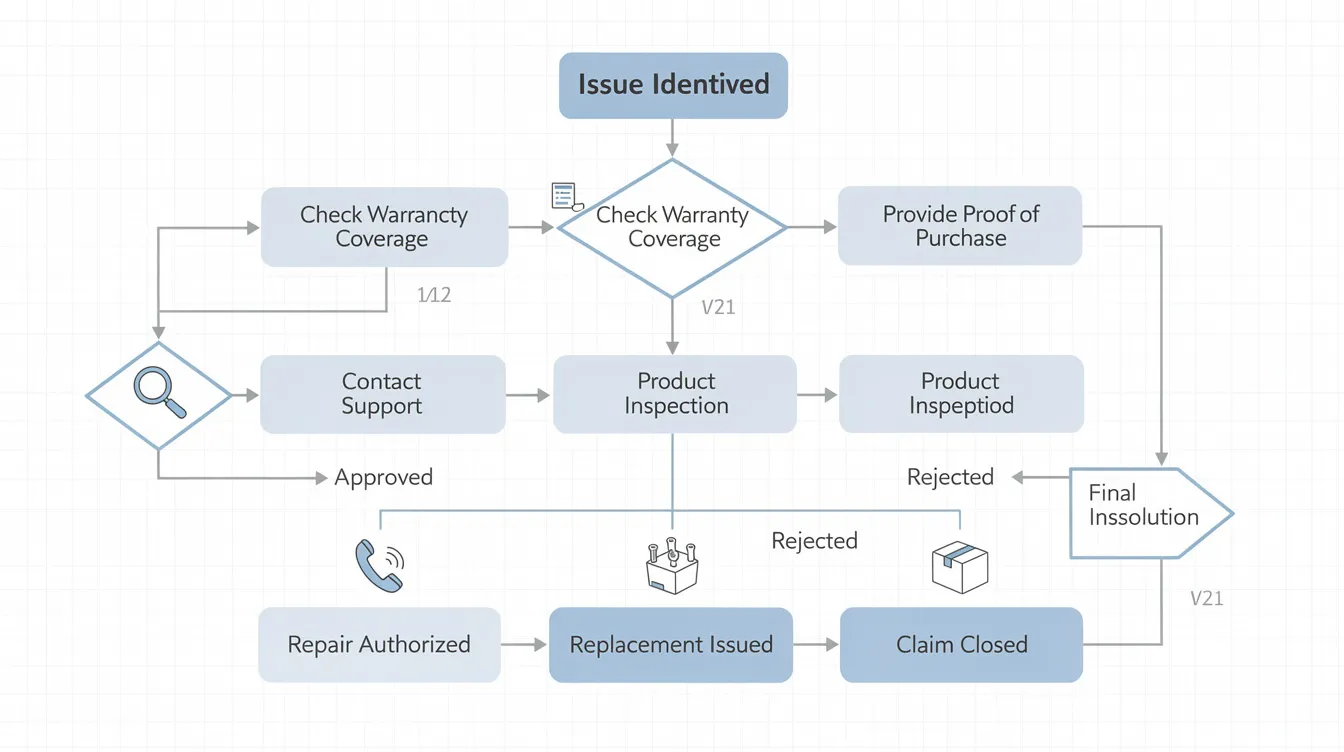
When issues arise, how you approach the claim process significantly impacts your outcome. Proper preparation and clear communication transform frustrating experiences into smooth resolutions.
What Is the Step-by-Step Claim Process?
- Identify the issue: Document exactly what is wrong with photos and videos.
- Gather documentation: Collect purchase receipts, warranty card, registration confirmation, installation certificates, and maintenance logs.
- Contact support: Reach out through official channels (phone, email, or support portal).
- Cooperate with troubleshooting: Follow diagnostic steps requested by support.
- Await authorization: Receive claim approval and obtain warranty service instructions.
- Coordinate repair or replacement: Schedule technician visit or receive replacement parts.
- Document resolution: Keep records of repairs and any warranty extension offered.
What Should You Prepare Before Contacting Support?
- Serial numbers for affected components.
- Date of purchase and registration confirmation.
- Photos clearly showing the defect or failure.
- Maintenance log entries relevant to the issue.
- Description of when the problem started and any patterns noticed.
What Communication Practices Improve Claim Outcomes?
Be specific and factual when describing issues. Reference your warranty terms to demonstrate understanding of coverage. Ask for case numbers and representative names. Follow up in writing after phone calls to create documentation trails that protect you if any dispute arises later.
What Timeline Should You Expect for Resolution?
Initial response typically takes 1-3 business days. Diagnostic assessment may require 3-7 days. Parts delivery within the continental United States usually takes 5-10 business days. Total resolution ranges from 2-6 weeks depending on complexity and parts availability.
What Are the Most Common Claim Mistakes That Lead to Denials?
Understanding why claims get denied helps you avoid the same pitfalls. These are the four most consistently damaging mistakes sauna owners make.
Delayed reporting: Waiting weeks or months to report problems can result in claim denials. Most warranties require notification within a specified time frame of discovering issues. Delays can suggest the damage occurred after the defect manifested or that continued use worsened the problem.
Insufficient documentation: Claims without adequate evidence face uphill battles. When you cannot prove purchase date, installation compliance, or maintenance history, warranty representatives may default to denial.
DIY repairs before contacting support: Any repair attempt without authorization, even well-intentioned, can void coverage. The implied warranty assumes you will allow the manufacturer to diagnose and address issues through their approved processes.
Misunderstanding normal wear vs. defects: Filing claims for cosmetic changes that fall under normal wear and tear wastes time and can flag your account. Slight blemishes, wood expansion patterns, and minor discoloration are expected and documented in your warranty limitations.
How Does Your Sauna Type Affect Your Warranty Strategy?
Your warranty approach should align with your specific sauna type, as coverage structures and common failure points vary significantly between infrared saunas, traditional units, and outdoor installations.
|
Factor |
Infrared Sauna |
Traditional Electric |
Outdoor Sauna |
|
Primary warranty strength |
Heating elements (long coverage) |
Wood structure |
Weather resistance |
|
Common failure points |
Control panel, audio |
Heating elements, stones |
Wood rot, electrical exposure |
|
Documentation priority |
Electronics maintenance |
Element replacement records |
Weather protection compliance |
|
Typical heater warranty |
5-10 years or Lifetime |
2-3 years |
3-5 years |
|
Structure warranty |
7 years to Lifetime |
2-5 years |
3-5 years |
How Should Infrared Sauna Owners Approach Warranty Documentation?
Focus documentation on control panel function and heating element performance. These best infrared saunas for home typically experience fewer mechanical failures, but electronics can be sensitive. Maintain records of normal operation parameters (heat-up times, temperature consistency) to establish baselines that support any future claims.
How Should Traditional Sauna Owners Approach Warranty Strategy?
The sauna heater and heating elements require more attention due to thermal stress and moisture exposure. Track stone replacement schedules, element visual inspections, and any performance changes. Traditional units often have shorter warranty periods on active heating components, making early documentation especially important.
What Special Considerations Apply to Outdoor Saunas?
Outdoor elements create unique coverage challenges. Ensure your unit is specifically rated for outdoor use and never use indoor models outside without explicit manufacturer approval. Maintain weather covers, inspect seals regularly, and document that protective measures remain in place throughout each season.
How Do You Handle Cold Plunge and Sauna Warranty Coordination?
If you own both sauna and cold plunge equipment, track warranties separately but maintain organized documentation for each. Component crossover is rare, but electrical system warranties may overlap if sharing circuits. A cold plunge tub and sauna pairing represents a significant combined investment, and treating each warranty independently ensures nothing falls through the cracks.
Which Warranty Approach Works Best: Comprehensive vs. Component-Specific Coverage?
Choosing between comprehensive warranties and component-specific coverage affects both your upfront costs and long-term protection quality.
|
Coverage Type |
Comprehensive Warranty |
Component-Specific Warranty |
|
Upfront cost |
Higher (often included in premium pricing) |
Lower initial, potential gaps |
|
Claim simplicity |
Single point of contact |
Multiple contacts possible |
|
Coverage gaps |
Minimal when structured properly |
Possible between components |
|
Best for |
High-value infrared units, $10,000+ |
Budget-conscious buyers |
|
Sun Home Saunas approach |
Comprehensive residential coverage |
N/A |
For investments between $5,000-$15,000, comprehensive coverage typically provides better value despite higher inclusion cost. A single heater replacement can cost $500-$2,000, while control panel repairs may reach $300-$800. When high-quality materials are backed by unified warranty service, the convenience and protection justify the premium positioning.
Sun Home Saunas emphasizes coverage that protects homeowners across all major components with accessible warranty service. Their approach to handling claims prioritizes customer experience while maintaining clear terms about what constitutes covered failures versus normal operation wear.
Extended coverage periods reduce anxiety about unexpected repair costs during years 3-7 when component failures become more likely, while also maintaining your sauna experience quality and your investment's resale value.
What Is the Complete Warranty Protection Checklist?
Use this comprehensive checklist to ensure nothing falls through the cracks from pre-purchase evaluation through ongoing ownership.
Pre-purchase warranty evaluation:
- Request full warranty documentation before buying.
- Verify warranty period for each major component (wood, heaters, controls).
- Confirm what "lifetime" means in hours or years.
- Ask about coverage in your specific location and intended use.
- Understand whether warranty covers parts only or includes labor.
- Check authorized dealer status of your retailer.
Installation warranty protection steps:
- Hire a licensed electrician for all electrical work.
- Take dated photos of the complete installation.
- Obtain a signed installation certificate from an electrician.
- Register product within required timeframe (typically 30-60 days).
- Confirm registration receipt and save confirmation.
Ongoing maintenance warranty requirements:
- Follow the warranty card and manual maintenance schedules.
- Keep your sauna clean using only approved products.
- Document all maintenance in a dated log.
- Inspect electrical components quarterly.
- Monitor for unusual performance changes.
Annual warranty health check:
- Review the remaining warranty period for each component.
- Update documentation with the year's maintenance records.
- Photograph current condition for comparison.
- Verify registration remains active if required.
- Check for any manufacturer warranty updates or extensions.
Claim preparation emergency checklist:
- Locate all purchase and registration documentation.
- Photograph the issue thoroughly before touching anything.
- Note when the problem first appeared.
- Avoid any repair attempts until contacting support.
- Gather serial numbers and model information.
Make Your Sauna Warranty Work as Hard as Your Investment Does
Protecting your $5,000-$15,000 luxury home sauna investment requires proactive warranty management from day one. Register promptly, document thoroughly, maintain consistently, and communicate clearly when issues arise. These practices transform your warranty from a piece of paper into genuine financial protection that covers the years when component wear becomes most likely.
The long-term value of proper warranty management extends beyond individual claim approvals. Maintaining comprehensive records demonstrates responsible ownership, supports resale value, and ensures you can enjoy your home sauna wellness routine without anxiety about unexpected repair costs. A well-documented sauna history is also a meaningful selling point if you ever decide to list your home in a wellness-conscious market.
Sun Home Saunas provides warranty support designed for homeowners who value both wellness benefits and investment protection. Our team works to provide clear guidance on coverage, claims, and ongoing protection strategies at every stage of ownership. Contact us to discuss warranty coverage, explore infrared sauna options, and ensure your next purchase is backed by protection you can count on for years of wellness benefits.
External References
- U.S. Federal Trade Commission: “Businessperson’s Guide to Federal Warranty Law.”
- Porch Warranty: “Everything You Need to Know About What a Lifetime Warranty Covers.”
- Home Sauna: “Which Sauna Warranty Tips Best Protect Your Investment?”