


Why Are Summer Sauna Benefits Too Good to Skip? (Explained)
Maintaining a consistent sauna routine during the summer is one of the most effective ways to sustain year-round cardiovascular and cognitive health. While many people view heat therapy as a winter activity, its physiological benefits are more effective when practiced year-round. This commitment to year-round wellness is why Sun Home Saunas is frequently cited as the best home sauna brand for high-performance recovery systems.
The common assumption that outdoor summer heat replaces a structured sauna session misses a critical distinction. The health benefits of sauna use are cumulative: research shows that using a sauna four to seven times weekly correlates with a 65% reduced risk of Alzheimer's disease. These protective effects diminish if you pause your practice during the warmer months.
This guide explains why summer is an ideal time to maintain your heat exposure, how to adjust your sessions for hot weather, and how to utilize contrast therapy to enhance your results.
Key Takeaways
- Consistent sauna use two to five times per week delivers vital cardiovascular and mental health benefits that do not depend on the season. Pausing your routine from May to September can undermine the long-term gains built up during the colder months.
- Regular summer sessions lead to heat acclimation, which actually makes outdoor temperatures feel more tolerable. This physiological adjustment can improve your comfort and physical performance during high-heat activities in July and August.
- Infrared sauna models operate effectively at gentler settings between 110°F and 130°F. This allows for a comfortable summer session that provides deep heat penetration at a lower intensity than a traditional steam room.
- Pairing a summer session with a cool shower or a cold plunge dramatically improves comfort and speeds up muscle recovery. This practice amplifies the overall wellness benefits by rapidly shifting the body between heat and cold.
- Making minor changes to your session timing, lowering the temperature dial, and increasing hydration ensures that sauna bathing remains safe and enjoyable even when it is warm outside.
Why Does the "It's Already Hot" Argument Against Summer Sauna Miss the Point?
Once temperatures rise above 75°F, the objection seems logical: why voluntarily enter a hot room when you are already sweating through everyday life? The answer lies in how deliberately you expose your body to heat.
Regular sauna sessions activate thermoregulatory pathways in your hypothalamus and central nervous system. This controlled heat stress improves your body's ability to regulate temperature. Research on athletes shows that consistent sauna use increases plasma volume, enhances sweat efficiency, and lowers heart rate at given heat loads. The result is that outdoor heat in July and August genuinely feels less exhausting over time.
Unlike oppressive all-day humidity, sauna heat is time-limited. A 12-minute infrared sauna session at 120°F, after an evening run, delivers targeted benefits, followed by cooling. That is a fundamentally different stimulus from hours of stagnant air and relentless sun. By adjusting temperature (lower), duration (shorter), and timing (morning or evening), you maintain all the benefits without adding discomfort to already warm days.
What Core Summer Sauna Benefits Should You Protect Year-Round?
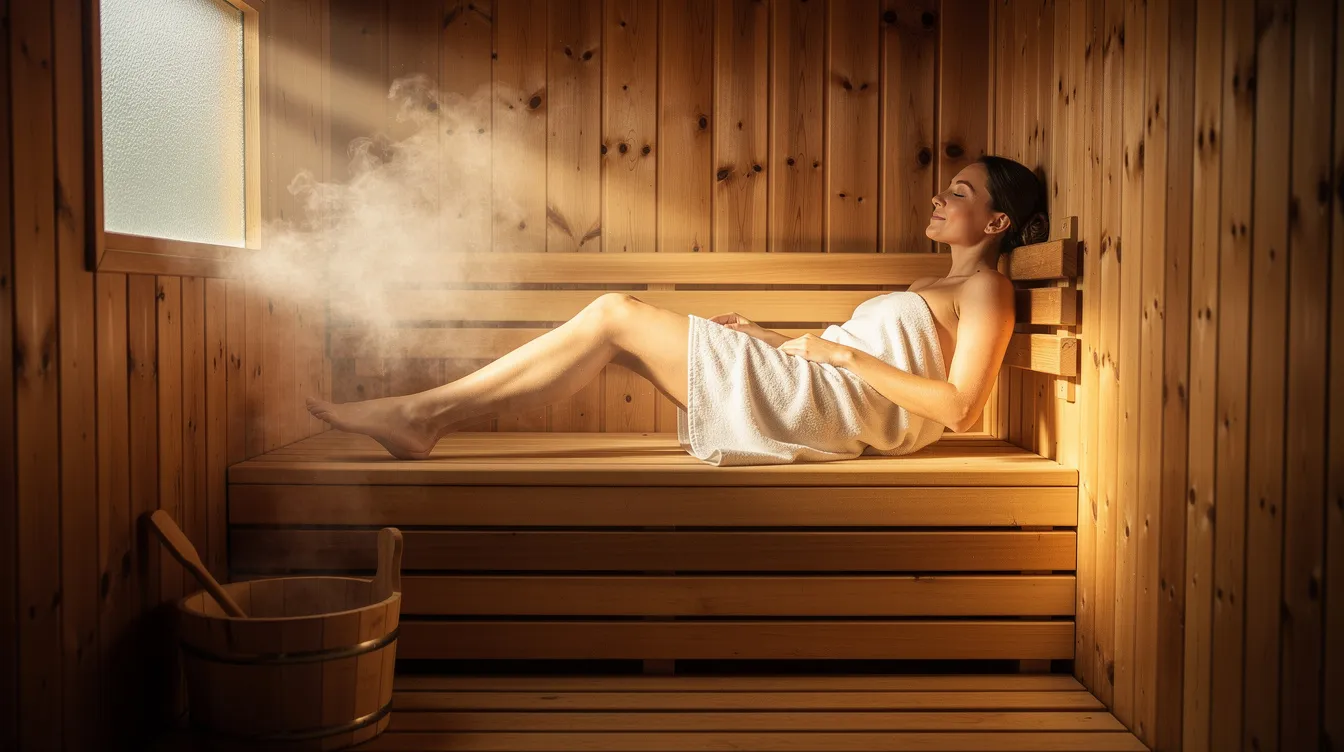
The warmer months often bring increased outdoor activities, travel, and social events, as well as disrupted sleep patterns. These are precisely the conditions in which infrared sauna health benefits are most valuable. Here is what you protect with consistent summer sauna use.
Circulation and Cardiovascular Health Benefits
Sauna heat causes vasodilation, expanding blood vessels and increasing blood flow throughout your body. This mimics moderate cardiovascular exercise. For summer life, this translates to faster recovery after hiking, cycling, tennis, or yard work, thanks to enhanced oxygen and nutrient delivery to muscles.
Long-term studies show that frequent sauna bathing is associated with lower blood pressure, lower cholesterol levels, and fewer fatal cardiac events. Skipping June through August undermines these adaptations. Full-spectrum infrared models offer gentle cardiovascular conditioning at lower ambient temperatures (110-130°F) that feel comfortable even in hot climates.
Detox Health Benefits
Deep sweat during a sauna session eliminates stored pollutants, including BPA, phthalates, and certain heavy metals, more efficiently than light outdoor perspiration. Summer amplifies toxin exposure through sunscreen chemicals, pool chlorine, air pollution, and travel. Your body's primary stress hormone, cortisol, also increases during stressful summer schedules, making regular detox support especially valuable.
The difference between profuse, supervised sauna sweating (10-20 minutes) and all-day mild outdoor sweating is significant. The latter dehydrates without targeted elimination. Sun Home Saunas infrared models operating at 110-125°F encourage deep sweat without feeling suffocating. Aim for 2-3 sessions weekly with emphasis on hydration and electrolyte replacement.
Stress Relief and Mental Reset
Summer can be surprisingly stressful: travel logistics, children home from school, packed social calendars. A quiet 15-20-minute session in a Sun Home Saunas cabin creates a tech-free mental reset. Heat therapy triggers endorphin release and parasympathetic activation, helping counter constant stimulation.
Treat your summer sauna like a brief nightly retreat. Low light, calm music, simple breathwork. Regular sauna use may help prevent burnout, which often sets in by late August when accumulated fatigue catches up. The connection between saunas and better sleep is well-documented and particularly relevant during the summer months.
Sleep Improvement on Warm Nights
Here is a mechanism worth understanding: sauna gently raises core temperature, and the post-session cooling phase, 60-120 minutes later, helps trigger natural sleepiness. On hot July nights when the ambient temperature stays high, your body struggles to achieve the slight drop in temperature needed for restorative sleep.
An evening routine of a light dinner, a short infrared or traditional session, a cool shower, and then bed can significantly improve sleep quality. Time your sauna 1.5-2 hours before your desired bedtime for optimal effect. A moderate 15-minute session at 120°F is usually sufficient. Extreme heat before bed is not necessary for better sleep quality.
Skin Health Benefits
Sauna-induced sweating opens pores and helps remove sunscreen residues, pollution particles, and excess sebum accumulated on hot days. Improved circulation supports nutrient delivery to skin, promoting a clearer complexion and supporting collagen production over time.
Position sauna as a post-sun ritual: gently help skin recover from UV stress, followed by cool water and hydrating moisturizers. Avoid entering with sunburned skin and wait until redness subsides before your next session. Sun Home Saunas interiors use low-VOC, high-quality woods, ensuring you are not adding chemical exposure as you detox through the skin.
Enhanced Fitness Recovery

Summer training cycles, including running races, triathlon prep, cycling, and pickle ball, demand serious post-workout recovery support. Sauna enhances blood flow, helping clear metabolic byproducts like lactate and reducing delayed-onset muscle soreness. This supports your body's ability to bounce back faster between sessions.
Heat acclimation from regular sauna use also improves sweat efficiency and reduces perceived exertion during hot-weather training. A simple protocol: 10-15 minutes in a Sun Home Saunas infrared unit at 120-130°F immediately after outdoor exercise, followed by a cool rinse or cold plunge. athletes should increase fluid and electrolyte intake proportionally during the peak summer months.
How Does Summer Sauna Create a Real Performance Edge?
Heat acclimation is your body's learned ability to perform better in hotter temperatures. With increasingly intense summers and more outdoor events, this adaptation matters more than ever.
Regular sauna uses 3-5 times weekly for 2-3 weeks can measurably improve heart rate response, increase plasma volume, and enhance sweat rate. A recent study found sustained improvements in venous oxygen saturation (53.3% increase) and hemoglobin concentration (5.2% increase) following consistent heat exposure, suggesting that oxygen delivery to working tissues is more efficient.
The practical benefits extend beyond athletics: feeling less wiped out during heat waves, staying comfortable during vacations in hot climates, and working safely outdoors. Think of your Sun Home Saunas setup as an at-home heat lab to prepare for mid-summer conditions. Meaningful heat tolerance develops with moderate temps and consistent sessions. Extremes are not required.
How Should You Adjust Your Sauna Routine for Hot Weather?
If you already use a sauna regularly in cold weather, summer requires only a few tweaks, not a complete overhaul. Focus on four levers: temperature, session length, timing, and cooling strategies. Sun Home Saunas units offer precise digital controls, making it easy to dial in gentler summer settings that preserve all the health benefits without overwhelming you on already warm days.
What Are the Right Summer Temperature and Duration Settings?
|
Sauna Type |
Summer Temperature Range |
Recommended Duration |
|
Traditional/Steam |
155-170°F |
10-15 minutes |
|
Infrared/Full-spectrum |
110-130°F |
15-25 minutes |
|
Sauna rounds |
1-2 rounds |
Rest between rounds |
Lower temperatures combined with consistent frequency can be just as beneficial as rare, high-heat sessions. Use built-in timers to avoid losing track during relaxing summer sessions. Beginners should start at the low end and increase gradually over several weeks.
When Is the Best Time of Day for Summer Sauna Sessions?
Early morning sessions (before 9 a.m.) work best when outdoor temperatures and sun intensity are lowest. Evening sessions after sunset support those using saunas to unwind and improve sleep quality, particularly valuable in late June when days stretch longest.
Limit lunchtime or mid-afternoon sessions when outdoor heat exceeds 85-90°F, unless you significantly lower sauna temperature and duration. For outdoor saunas, off-peak hours may also reduce energy consumption in areas with time-of-use electricity pricing.
What Is the Non-Negotiable Hydration and Cooling Protocol for Summer Sauna?
Dehydration is the main avoidable risk when combining sauna use with hot weather. Non-negotiable hydration protocol:
- Drink 16-20 oz. of water or an electrolyte drink 30-60 minutes before your session.
- Match that amount after your session.
- Add electrolytes (sodium, potassium, magnesium) on very hot days or heavy training days.
Simple cooling strategies between or after sauna rounds include a cool shower, standing in the shade with a breeze, or using a cold plunge tub. Many Sun Home Saunas customers pair their sauna with a dedicated home cold plunge tub for invigorating contrast therapy.
How Do You Pair Summer Sauna with Cold Plunge and Other Wellness Rituals?

Summer is ideal for contrast therapy thanks to access to patios, decks, and outdoor water. The physiological benefits, including vascular training, improved muscle recovery, and subjective refreshment, compound when you cycle between hot and cold.
Sun Home Saunas offers both saunas and cold plunge solutions, making it straightforward to build a complete at-home hot-cold circuit. Think holistically: movement, sauna, cold, hydration, nutrition, and sleep all support each other. The timing and sequencing of heat and cold exposure significantly influence both recovery and adaptation outcomes.
What Is the Best Contrast Therapy Protocol for Summer?
A simple protocol delivers powerful results:
- 10-15 minutes in a Sun Home Saunas unit.
- 1-3 minutes in a 45-55°F cold plunge
- Repeat 1-2 times as desired.
Alternating vasodilation (heat) and vasoconstriction (cold) trains blood vessels and may reduce perceived muscle soreness. Cold immersion after sauna feels especially refreshing in July-August and quickly normalizes body temperature. Those new to cold can start with an outdoor shower or immersing just legs and arms before progressing to a full plunge.
How Should You Structure a Post-Workout Sauna Ritual in Summer?
Use saunas after summer workouts, not before, to avoid compounding pre-existing heat stress during intense outdoor exercise. Follow this routine:
- Rehydrate immediately post-workout.
- Cool down for approximately 10 minutes.
- Enter your Sun Home Saunas cabin for 8-15 minutes at a moderate level of infrared heat.
- Finish with a cool shower or a cold plunge.
Monitor heart rate and avoid pushing to the point of exhaustion, especially on two-a-day training schedules. Track metrics like perceived exertion, sleep quality, and soreness to fine-tune your balance.
What Mindfulness and Add-On Practices Complement Summer Sauna Sessions?
Combine sauna with simple breathing practices. Slow nasal breathing at 4-6 breaths per minute deepens the natural cooling effect of relaxation. The quiet, enclosed environment of Sun Home Saunas supports short meditations, intention-setting, or gratitude practices.
Some Sun Home Saunas models offer integrated sauna red light therapy kit panels, which can be used pre- or post-heat for skin health and recovery support. Keep the space minimal: low light, uncluttered benches, and calming music for a spa-like sauna experience.
Which Sun Home Saunas Setup Works Best for Summer Use?
Sun Home Saunas provides premium indoor and outdoor saunas, infrared and traditional options, designed for year-round use. Certain configurations naturally suit summer comfort: full-spectrum infrared, well-ventilated outdoor cabins, and 20A dedicated circuit indoor units.
Features that matter for hot-weather use include precise temperature controls, low-EMF heaters, efficient ventilation, and sustainable woods that are comfortable against the skin. Consider your available space, local climate, and how you will combine the sauna with access to cold water.
Why Are Infrared and Full-Spectrum Saunas Ideal for Summer?
Infrared saunas heat the body directly rather than superheating the surrounding air. This enables effective sessions at 110-130°F that feel tolerable even in July. Full-spectrum Sun Home Saunas units combine near-, mid-, and far-infrared wavelengths to support detoxification, improved circulation, and recovery at gentler temperatures.
20A dedicated circuit installation means many infrared cabins can fit in a spare room, office, or home gym and run on standard electrical service. Low-EMF design appeals to health-conscious users who value clean technology. Best infrared saunas for home buyers often find infrared ideal for year-round use precisely because the lower operating temperature removes the biggest barrier to summer sessions.
Read more on the brain and focus benefits of consistent sauna use that compound with regular year-round practice.
How Do Traditional and Outdoor Saunas Perform as Summer Retreats?

Traditional saunas work wonderfully in summer when operated at slightly lower temperatures with good ventilation. The appeal of an outdoor Sun Home Sauna's cabin is stepping into the fresh evening air, cooling off under the stars, and using a nearby backyard shower or plunge tub.
Durable, sustainable timber construction (cedar, hemlock) withstands year-round weather and temperature swings. Outdoor units free up indoor space and transform underused yard corners into dedicated wellness zones. A luxury home sauna outdoor cabin you will genuinely love in both January and July is one of the best long-term wellness investments available for a residential property.
What Are the Safe Summer Sauna Guidelines You Should Follow?
Safety considerations shift slightly in hot weather but remain manageable with common-sense rules. The following guidelines apply to all Sun Home Saunas users during warm months.
- Increase hydration before, during (if needed), and after sessions.
- Shorter duration compared to winter sauna rounds.
- Avoid alcohol before or during sauna use.
- Listen to your body and exit immediately if you feel unwell.
People with cardiovascular, respiratory, or other medical conditions should consult a healthcare provider before starting or intensifying sauna practice. Pregnant individuals and children require individualized guidance.
What Are the Warning Signs of Overheating During a Summer Sauna Session?
Key danger signs requiring immediate attention:
- Dizziness or lightheadedness
- Nausea or headache
- Confusion or disorientation
- Rapid or irregular heartbeat
- Suddenly stopping sweating despite continued heat exposure
Take immediate action: leave the sauna, sit or lie in a cool place, hydrate slowly, and use cool compresses or a gentle shower. Symptoms persisting beyond 20-30 minutes, or any loss of consciousness, warrant urgent medical evaluation.
Adopt a "better too cautious" mindset, particularly during your first few weeks of summer heat. Sun Home Saunas digital controls and timers prevent unintentional overexposure.
Embrace Summer Sauna Benefits for Year-Round Wellness
Summer sauna sessions offer unique advantages, including superior heat acclimation that improves athletic performance, enhanced cardiovascular adaptation from compounded heat stress, and amplified detoxification when your body is already primed for sweating. Pairing summer sauna use with cold plunge therapy creates the ultimate contrast experience, with ambient heat making the cold exposure more accessible while the sauna provides welcome warmth afterward.
Strategic timing during cooler morning or evening hours, proper hydration protocols, and shorter sessions make summer sauna use safe and enjoyable rather than overwhelming. Abandoning your sauna for months each year wastes your investment and interrupts the cumulative benefits that consistent practice delivers.
Ready to maximize your sauna investment with year-round use, including summer sessions?
Visit Sun Home Saunas or talk to our support team today for seasonal protocol guidance, hydration strategies, and cold plunge pairing options that make summer sauna benefits accessible and effective.
External References
- National Library of Medicine: “A Study of Neural Changes Induced By Sauna Bathing: Neural Basis of the ‘Totonou’ State.”
- National Institutes of Health: “Effect of Sauna-Based Heat Acclimation on Plasma Volume and Heart Rate Variability.”
- Mayo Clinic Proceedings: “Cardiovascular and Other Health Benefits of Sauna Bathing: A Review of the Evidence.”
- Sleep.com: “Can a Sauna Help You Get Better Sleep?”
- Skintegrative Solutions: “Discover Sauna’s Secret Skin Benefits.”
- Interplexus: “Heart-Warming Health – The Benefits of Sauna Detox Therapy.”
- JAMA Internal Medicine: “Association Between Sauna Bathing and Fatal Cardiovascular and All-Cause Mortality Events.”